Introduction
Relations between Islamabad and Kabul have remained complicated for decades.
Political instability, changing diplomatic policies and deep mutual mistrust have repeatedly damaged bilateral relations between Pakistan and Afghanistan.
Internal and external political interference, ideological differences and the cross-border spread of terrorism have also played an important role in shaping ties between the two countries.
The Taliban’s return to power in Afghanistan in August 2021 created new diplomatic and security challenges for Pakistan, which continues to face a serious threat from terrorism.
International stakeholders have attempted to address these concerns through engagement with the Afghan Taliban, particularly through the Doha Talks.
However, reducing tensions requires cooperation on terrorism, border security, political stability and regional peace.
The Doha Talks: Balancing Competing Diplomatic Interests
The Doha process consists of negotiations and diplomatic meetings intended to promote long-term peace in Afghanistan and protect wider international interests in the region.
These discussions have involved:
- The United States
- Pakistan
- China
- Iran
- Regional countries
- International organizations
- Representatives of the Afghan Taliban
The negotiations have focused on encouraging the Afghan Taliban to participate in diplomatic engagement and establish a political system that addresses terrorism, human rights and regional security.
These discussions have remained difficult because the parties involved have different political and strategic interests.
The Taliban have faced international criticism for their policies concerning women’s rights, political participation and civil society.
These issues have made cooperation with Western countries particularly difficult.
Pakistan has generally adopted a pragmatic approach and emphasized its national-security concerns.
Islamabad has repeatedly called upon the Afghan authorities to prevent groups such as the Tehreek-e-Taliban Pakistan from using Afghan territory against Pakistan.
Doha III: Another Step Towards Engagement
The third round of Doha negotiations represented an important effort to continue international engagement with the Taliban authorities.
Although the discussions were limited, they provided an important channel of communication between the international community and the government in Kabul.
The absence of Afghan women and civil-society representatives attracted considerable criticism.
However, several regional countries, particularly China, Russia and Pakistan, argued that the talks should remain focused on urgent humanitarian and security concerns.
Pakistan used the platform to emphasize that the Afghan Taliban must ensure that Afghanistan does not become a safe haven for terrorist organizations.
One of Islamabad’s major demands has been the elimination of TTP sanctuaries operating from Afghan territory.
The TTP has carried out numerous attacks in Pakistan, particularly in:
- Khyber Pakhtunkhwa
- Balochistan
- Border districts
- Formerly merged tribal areas
Tehreek-e-Taliban Pakistan and the Terrorism Threat
The Tehreek-e-Taliban Pakistan remains one of the most serious terrorism threats facing Pakistan.
Military operations such as Zarb-e-Azb and Radd-ul-Fasaad significantly weakened militant networks but did not completely eliminate terrorism.
The TTP has continued carrying out attacks that have killed security personnel and civilians.
The security situation deteriorated further after the TTP ended its ceasefire agreement with the Pakistani government in 2022.
Since then, Pakistan has experienced a substantial increase in terrorist attacks and casualties.
According to the source article, more than one thousand people were killed in terrorist incidents during 2023.
This situation forced the government to reconsider its security approach and introduce a renewed counter-terrorism strategy.
The Azm-e-Istehkam initiative was launched to weaken terrorist networks and restore stability.
Afghanistan’s Role: A Double-Edged Sword
The alleged presence of TTP fighters and leadership in Afghanistan remains a major source of tension between Islamabad and Kabul.
Pakistan has repeatedly presented evidence of cross-border infiltration and attacks carried out from Afghan territory.
The Afghan Taliban, however, have denied that they officially support or facilitate TTP operations.
This disagreement has placed considerable pressure on bilateral relations.
Pakistan’s historical relationship with the Afghan Taliban has also created a complex geopolitical challenge.
For many years, Pakistan viewed the Afghan Taliban as a possible counterweight to Indian influence in Afghanistan.
However, the Taliban government’s limited willingness to take decisive action against the TTP has created serious disappointment in Islamabad.
Pakistan now faces the difficult task of protecting its national security while maintaining diplomatic engagement with Kabul.
The Challenge of Border Security
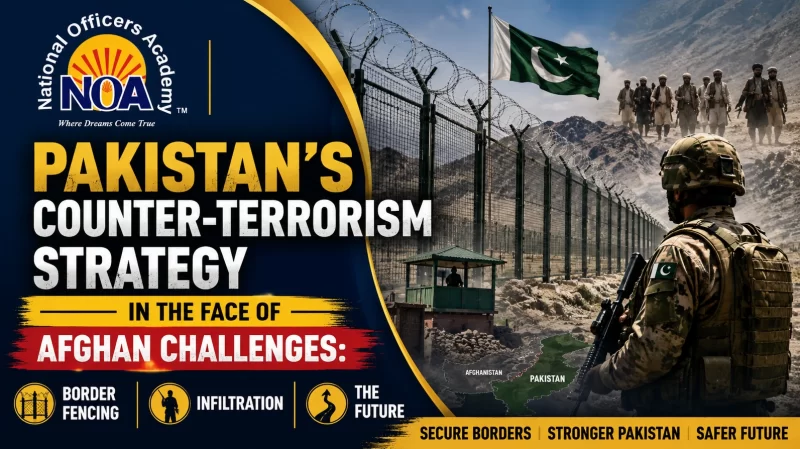
Border fencing along the Pakistan-Afghanistan frontier has remained a central component of Pakistan’s security policy.
The fence was constructed primarily to reduce:
- Illegal border crossings
- Militant infiltration
- Smuggling
- Drug trafficking
- Unauthorized movement
However, fencing alone has not fully resolved Pakistan’s border-security challenges.
The mountainous terrain, tribal connections across the border and limited state control in some areas create opportunities for militants to exploit gaps.
Members of the TTP and other extremist groups may use informal routes to enter Pakistan.
Managing the approximately 2,600-kilometre border is further complicated by the social and economic conditions of the region.
Smuggling and the Informal Economy
Illegal trade, drug trafficking and smuggling networks create an environment in which militancy can expand.
These criminal networks may provide terrorists with:
- Funding
- Weapons
- Transportation
- Safe routes
- Local contacts
Pakistan’s security forces therefore face a prolonged and difficult campaign in some of the country’s poorest and least-developed border regions.
Azm-e-Istehkam: Pakistan’s Renewed Counter-Terrorism Effort
Pakistan launched Azm-e-Istehkam in response to the increasing threat of terrorism.
The initiative represents a multidimensional approach that focuses not only on militant networks but also on the social and economic conditions that allow extremism to grow.
The strategy seeks to coordinate the efforts of different state institutions.
Its major areas of focus include:
- Intelligence-based operations
- Disruption of terrorist financing
- Improved border security
- Law-enforcement coordination
- Economic development
- Counter-radicalization
- Institutional reform
Azm-e-Istehkam recognizes that military action alone cannot permanently defeat terrorism.
Poverty, weak governance, unemployment and political exclusion can create conditions in which militant organizations recruit local populations.
The government therefore aims to improve infrastructure, create employment opportunities and reduce public grievances in vulnerable areas.
By addressing the basic needs of local communities, Pakistan hopes to reduce recruitment by anti-state organizations such as the TTP.
The TTP Network and the Afghan Taliban
The relationship between the Afghan Taliban and the TTP remains a major concern for Pakistan.
TTP leaders and fighters are alleged to move across Afghanistan with limited restrictions.
This situation places additional pressure on Pakistan’s security forces, particularly in Khyber Pakhtunkhwa and Balochistan.
International stakeholders have also expressed concern about the Taliban’s continued links with extremist organizations.
The Taliban pledged under the Doha Agreement of 2020 that Afghan territory would not be used for terrorist activities against other countries.
However, continued militant activity has raised questions about the implementation of these commitments.
Pakistan has repeatedly demanded that the Afghan government take responsibility and act against militant sanctuaries.
Islamabad has also warned that instability in Afghanistan could contribute to the return of international terrorist networks.
Pakistan’s Foreign Policy Towards Afghanistan
Pakistan’s policy towards Afghanistan has attempted to balance engagement with pressure.
On one hand, Islamabad continues to support diplomatic dialogue because a peaceful and stable Afghanistan is important for regional security.
On the other hand, Pakistan has made it clear that it cannot accept the continued protection of organizations such as the TTP.
Pakistan has therefore increased diplomatic activity by:
- Holding discussions with Afghan authorities
- Hosting regional conferences
- Engaging neighbouring countries
- Raising the TTP issue at international forums
- Seeking coordinated regional action against terrorism
The purpose of these efforts is to persuade the Taliban to take action against the TTP and build a regional consensus that terrorism must be addressed collectively.
However, these initiatives have produced limited results.
The Taliban government remains focused on consolidating its internal control and addressing domestic political and economic challenges.
The Road Ahead: Opportunities and Difficulties
Relations between Pakistan and Afghanistan will continue to face serious diplomatic and security challenges.
However, the two countries also possess important areas of mutual interest and potential cooperation.
Pakistan’s internal-security situation is closely linked with developments in Afghanistan.
Effective cooperation in counter-terrorism could therefore benefit both countries.
Role of Continued Dialogue
The Doha process has not resolved all the fundamental issues, but it provides an important platform for continued engagement.
Diplomatic dialogue can help prevent complete political isolation and encourage regional cooperation.
Pakistan should continue working with:
- Afghanistan
- China
- Iran
- Russia
- Central Asian states
- International organizations
Regional cooperation is essential because terrorism, drug trafficking and illegal migration cannot be addressed by one country alone.
Protecting Pakistan’s Territorial Integrity
Pakistan’s primary objective must remain the protection of its territorial integrity and national security.
The TTP threat complicates development projects, weakens investor confidence and increases pressure on security institutions.
A successful response therefore requires a careful combination of:
- Military operations
- Diplomatic engagement
- Border management
- Economic development
- Community participation
- Counter-extremism programmes
Addressing the Root Causes of Terrorism
Pakistan should continue encouraging the international community to address the factors that enable terrorism to grow in Afghanistan.
These factors include:
- Poverty
- Weak governance
- Political instability
- Drug trafficking
- Unemployment
- Lack of education
- Limited economic opportunities
Without addressing these conditions, military operations alone may not produce sustainable peace.
A Roadmap for Pakistan’s Counter-Terrorism Strategy
Strengthen Border Management
- Complete and maintain border fencing
- Expand surveillance and monitoring systems
- Increase coordination between border agencies
- Regulate legal crossing points
- Disrupt smuggling and drug-trafficking networks
Improve Intelligence Coordination
- Strengthen intelligence sharing among security institutions
- Expand intelligence-based operations
- Improve monitoring of terrorist financing
- Track recruitment and communication networks
Continue Diplomatic Pressure
- Maintain dialogue with the Afghan Taliban
- Demand action against TTP sanctuaries
- Raise the issue at regional and international forums
- Build a regional consensus against cross-border terrorism
Promote Development in Border Areas
- Create employment opportunities
- Improve roads and communications
- Expand education and healthcare
- Support local businesses
- Strengthen local-government institutions
Counter Radicalization
- Promote religious moderation
- Reform extremist educational narratives
- Support youth-engagement programmes
- Strengthen community-based prevention initiatives
- Develop rehabilitation programmes for former militants
Conclusion: Establishing Stability Through Balance
Pakistan and Afghanistan have one of the most complex and unstable relationships in the region.
Both countries must manage the consequences of the Taliban’s return to power while addressing the continuing threat of terrorism and regional instability.
The Doha Talks may help create diplomatic space, but their success depends largely on the willingness of the Afghan Taliban to act against terrorist organizations.
Pakistan must also continue implementing a carefully designed counter-terrorism strategy that combines pressure with engagement.
The country cannot rely only on military action or border fencing.
Long-term security requires diplomacy, economic development, institutional coordination and action against the social conditions that allow extremism to grow.
Despite the difficulties, Pakistan must continue balancing dialogue and pressure to protect its national-security interests while working towards a safer and more peaceful region.