Pakistan’s counter-terrorism gains came under renewed pressure following the Afghan Taliban’s return to power, the breakdown of ceasefires with the TTP, weaknesses in border management, militant regrouping, institutional shortcomings and domestic political instability. The article examines the factors behind the resurgence and proposes a more comprehensive counter-terrorism response. Pasted markdownRead More
The article argues that Pakistan’s conciliatory approach toward the Tehrik-i-Taliban Pakistan, including negotiations, ceasefires and concessions, weakened the country’s counter-terrorism strategy and allowed the militant group greater space to regroup. It advocates a broader response combining intelligence-based operations, stronger diplomacy and socioeconomic measures.Read More
Terrorism has evolved from conventional violence into a multidimensional threat involving cyber warfare, information manipulation, criminal networks and political instability. This article examines its changing manifestations and the revival and expansion of the TTP as a complex security challenge for Pakistan.Read More
Pakistan's renewed wave of terrorism threatens national security, CPEC, foreign investment and regional stability. This article examines the TTP challenge, Afghanistan factor, CPEC security and the strategic reforms needed to transform Pakistan's counterterrorism and security paradigm.Read More
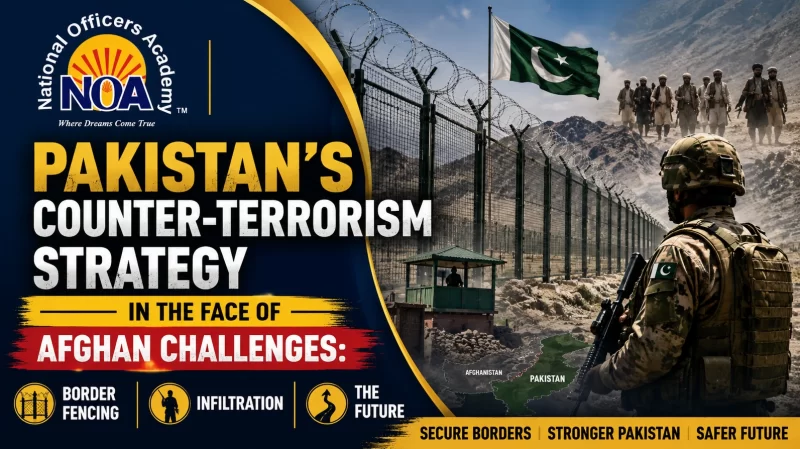
Pakistan faces growing security challenges linked to TTP activity, cross-border infiltration and instability in Afghanistan. Its response requires border security, diplomacy, development and coordinated counter-terrorism measures.Read More
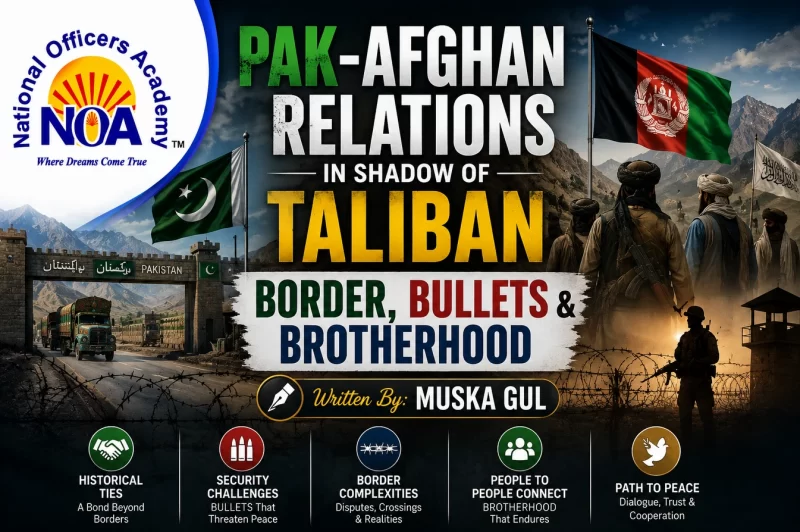
Pakistan’s expectations after the Taliban’s return to power in Afghanistan quickly turned into strategic anxiety. From TTP resurgence and Durand Line tensions to refugee disputes and China-backed diplomatic engagement, Pak-Afghan relations remain caught between conflict and cautious cooperation.Read More



Recent Comments