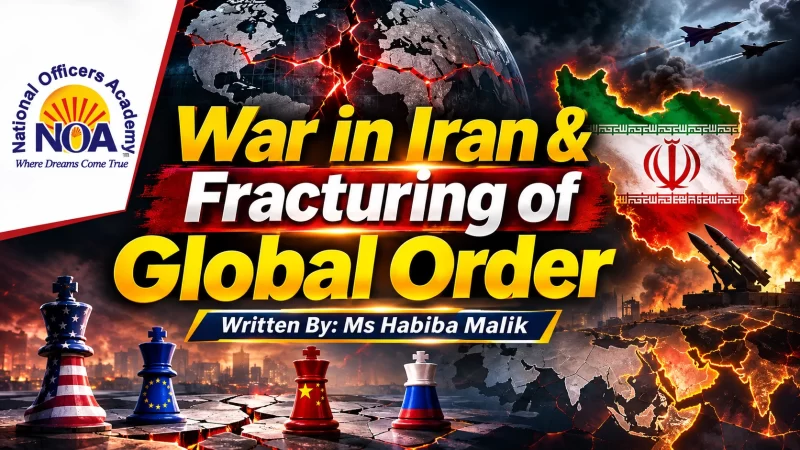
The Iran war has expanded beyond military confrontation into a global geo-economic crisis. This article examines Iran’s internal resilience, the Strait of Hormuz, energy and fertilizer shocks, threats to Gulf infrastructure, implications for Russia and China, the limits of regime-change strategy, and the risks surrounding Kharg Island and a wider restructuring of the global order.Read More
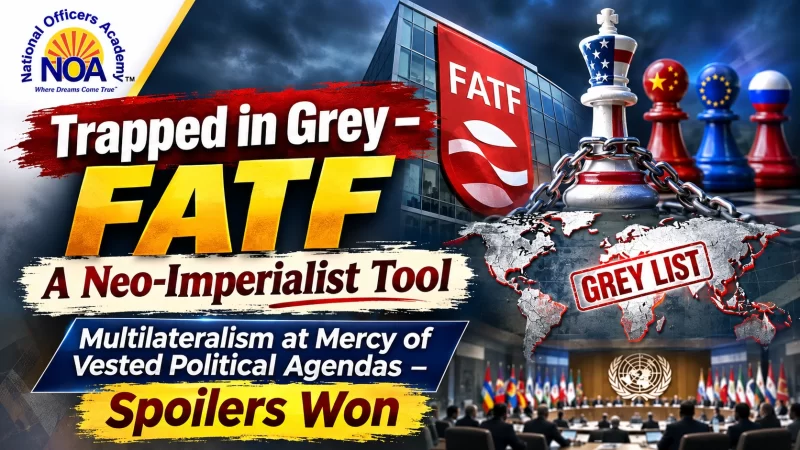
Pakistan’s prolonged presence on the FATF grey list generated debate over whether the anti-money-laundering watchdog was functioning purely as a technical institution or had become vulnerable to geopolitical influence. This article examines Pakistan’s FATF journey, AML/CFT reforms, grey-list requirements, allegations of selective treatment and the wider role of major powers in global financial governance.Read More
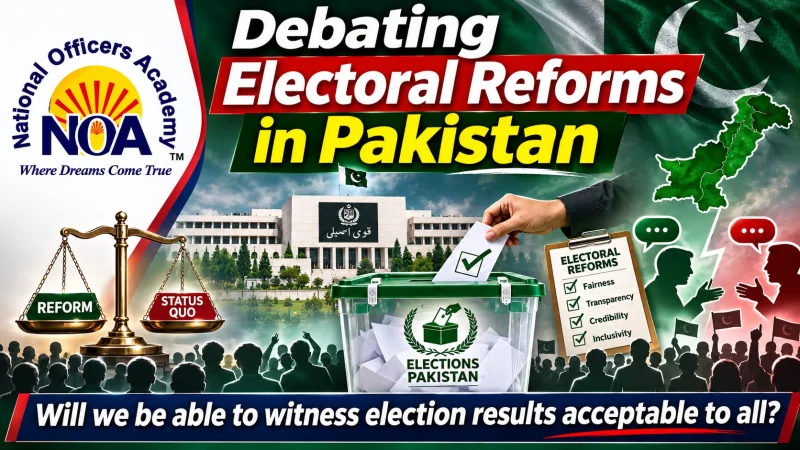
Electoral reforms remain central to strengthening democracy and public confidence in Pakistan. This article examines Pakistan’s electoral system and history, proposed amendments to the Elections Act 2017, electronic voting machines, overseas voting, inclusion of marginalized groups, weaknesses of manual voting, ECP objections and the need for consensus-based reform.Read More
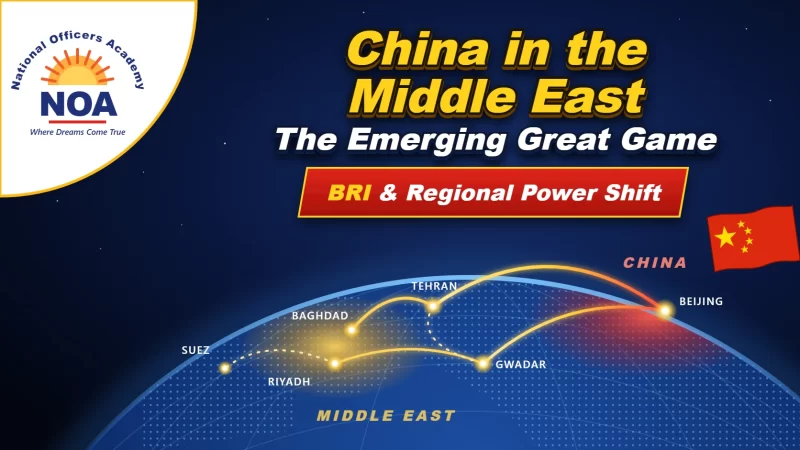
China’s expanding economic presence is adding a new dimension to the Middle East’s long-running power competition. This article examines the Saudi-Iran rivalry, strategic importance of Gulf energy and trade routes, China’s growing investments under the Belt and Road Initiative, the relative US pullback, and Pakistan’s potential role as a gateway connecting China with the energy-rich...Read More
The global order is gradually moving away from post-Cold War unipolarity as China and Russia gain influence, alternative institutions emerge, the Indo-Pacific becomes more contested and economic power becomes increasingly dispersed. This article examines the decline of US hegemony, the rise of multiple power centres, BRI-B3W competition, nationalism, slowbalization and Pakistan’s place in an emerging...Read More
AUKUS marks a major shift in Indo-Pacific geopolitics by deepening defence cooperation among Australia, the United Kingdom and the United States. This article examines the pact’s strategic significance, nuclear-powered submarines, China’s response, France’s anger, implications for the EU, Australia-China relations, Five Eyes and the wider balance of power in Asia. Pasted text(20261103-114940)Read More
Russia has transformed oil, natural gas, pipelines and energy exports into powerful instruments of foreign policy. This article examines Moscow’s vast energy resources, Gazprom and other state-linked companies, pipeline diplomacy, ruble payment demands, Europe’s dependence on Russian gas, sanctions and the wider shift from ideological influence to the weaponization of energy.Read More
Pakistan’s recurring energy crisis stems not simply from insufficient generation capacity but from circular debt, imported-fuel dependence, transmission losses, electricity theft, weak governance and policy inconsistency. This article examines the historical roots of the crisis, its economic consequences and short- and long-term reforms required to restore energy security.Read More
Pakistan faces growing climate threats including smog, erratic rainfall, glacial melting, heatwaves, floods, wildfires, agricultural losses and water stress. This article examines the major climate risks facing Pakistan and reviews national responses such as renewable energy projects, plantation drives, electric vehicle policy and the Ecosystem Restoration FundRead More
Sri Lanka’s economic collapse rapidly transformed into a political crisis marked by inflation, fuel shortages, depleted foreign-exchange reserves, debt distress and mass protests in Colombo. This article examines the major causes of the Sri Lankan crisis, the fall of the Rajapaksa political establishment, similarities with Pakistan’s economic vulnerabilities and key lessons for Islamabad.Read More





Recent Comments