Sri Lanka’s economic collapse rapidly transformed into a political crisis marked by inflation, fuel shortages, depleted foreign-exchange reserves, debt distress and mass protests in Colombo. This article examines the major causes of the Sri Lankan crisis, the fall of the Rajapaksa political establishment, similarities with Pakistan’s economic vulnerabilities and key lessons for Islamabad.Read More
Afghanistan’s political future has direct implications for the security, connectivity and economic stability of South Asia. This article examines the Taliban’s return to power, Afghanistan’s humanitarian and security crises, regional connectivity, terrorism, narcotics, bilateral relations and Pakistan’s role in promoting stability.Read More
The article critically examines the rise of Hindutva politics in India and its implications for secularism and minority rights. It discusses the BJP-RSS ideological relationship, communal violence, cow-protection laws, the Citizenship Amendment Act, hijab restrictions, Kashmir, and contrasts these developments with constitutional protections and selected minority-rights initiatives in Pakistan.Read More
Pakistan and Sri Lanka have faced several overlapping economic pressures, including external debt, declining foreign-exchange reserves, currency depreciation, high inflation, balance-of-payments difficulties, political instability and the effects of COVID-19 and global commodity shocks. This comparative assessment examines the similarities, differences and policy lessons Pakistan can draw from Sri Lanka’s crisis.Read More
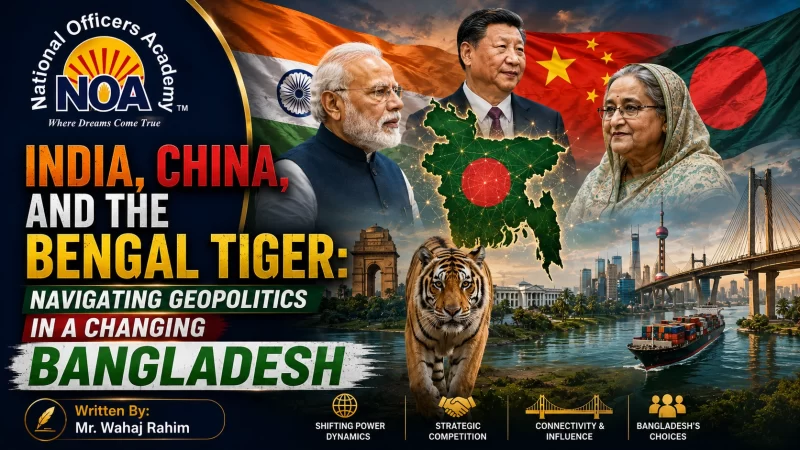
Sheikh Hasina’s removal transformed Bangladesh’s domestic politics and regional relations. The country must now balance Indian, Chinese and Western interests while protecting its economic progress and national interests.Read More



Recent Comments