Pakistan’s prolonged presence on the FATF grey list generated debate over whether the anti-money-laundering watchdog was functioning purely as a technical institution or had become vulnerable to geopolitical influence. This article examines Pakistan’s FATF journey, AML/CFT reforms, grey-list requirements, allegations of selective treatment and the wider role of major powers in global financial governance.Read More
Russia has transformed oil, natural gas, pipelines and energy exports into powerful instruments of foreign policy. This article examines Moscow’s vast energy resources, Gazprom and other state-linked companies, pipeline diplomacy, ruble payment demands, Europe’s dependence on Russian gas, sanctions and the wider shift from ideological influence to the weaponization of energy.Read More
Pakistan’s recurring energy crisis stems not simply from insufficient generation capacity but from circular debt, imported-fuel dependence, transmission losses, electricity theft, weak governance and policy inconsistency. This article examines the historical roots of the crisis, its economic consequences and short- and long-term reforms required to restore energy security.Read More
The Russia-Ukraine war has become a major geopolitical rupture, reshaping NATO-Russia relations, accelerating great-power competition, disrupting energy and food markets, and intensifying inflation worldwide. This article examines the historical context of the conflict, its strategic and economic consequences, and its implications for Pakistan’s foreign, energy and economic security.Read More
Pakistan’s political polarization has deepened divisions across society, institutions and the economy. This article examines elite confrontation, constitutional crises, misinformation, institutional tensions and the wider costs for national integration, governance, economic stability and Pakistan’s international standing.Read More
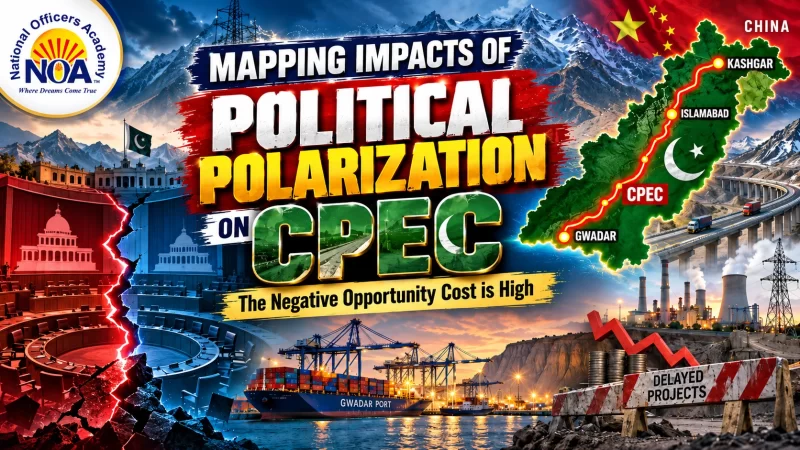
Political and economic instability has slowed Pakistan’s ability to fully realise CPEC’s potential, particularly its second phase focused on industrialisation, Special Economic Zones, agriculture and technology. The article examines how policy inconsistency, security risks, bureaucratic hurdles, weak investor confidence and political uncertainty affect CPEC and Pakistan-China relations.Read More
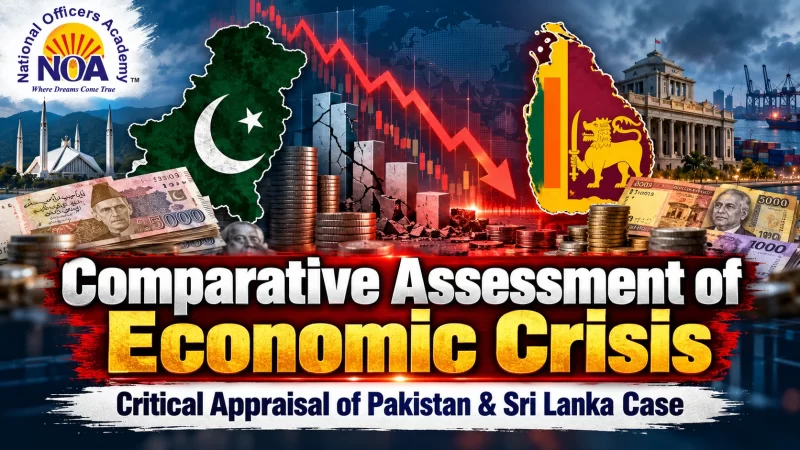
Pakistan and Sri Lanka have faced several overlapping economic pressures, including external debt, declining foreign-exchange reserves, currency depreciation, high inflation, balance-of-payments difficulties, political instability and the effects of COVID-19 and global commodity shocks. This comparative assessment examines the similarities, differences and policy lessons Pakistan can draw from Sri Lanka’s crisis.Read More



Recent Comments