Electoral reforms remain central to strengthening democracy and public confidence in Pakistan. This article examines Pakistan’s electoral system and history, proposed amendments to the Elections Act 2017, electronic voting machines, overseas voting, inclusion of marginalized groups, weaknesses of manual voting, ECP objections and the need for consensus-based reform.Read More
Montesquieu’s doctrine of separation of powers divides state authority among the legislature, executive and judiciary to prevent concentration of power. This article examines the doctrine in the United States and Pakistan, judicial review, institutional overlap, the influence of bureaucracy, media and advisory bodies, and the need for clearer constitutional boundaries among state organs.Read More
Civil-military relations are a key indicator of democratic quality and institutional balance. This article applies the ideas of Samuel Huntington and Morris Janowitz to Pakistan, examines the country’s colonial legacy and causes of military intervention, and discusses lessons from Turkey for strengthening civilian supremacy and democratic governance.Read More
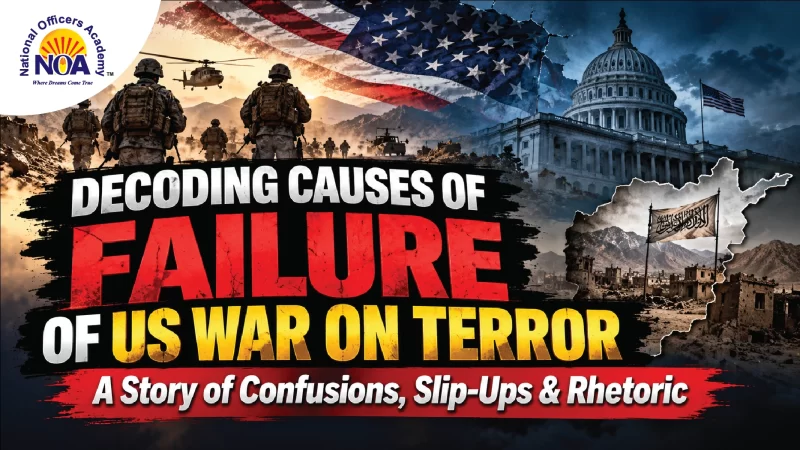
The US-led War on Terror began after the September 11 attacks with the objectives of defeating transnational terrorist organisations, denying them safe havens and protecting the United States. This article examines why the campaign in Afghanistan ultimately failed, focusing on strategic confusion, overreliance on military force, weak state-building, declining public support, flawed regional policies and...Read More
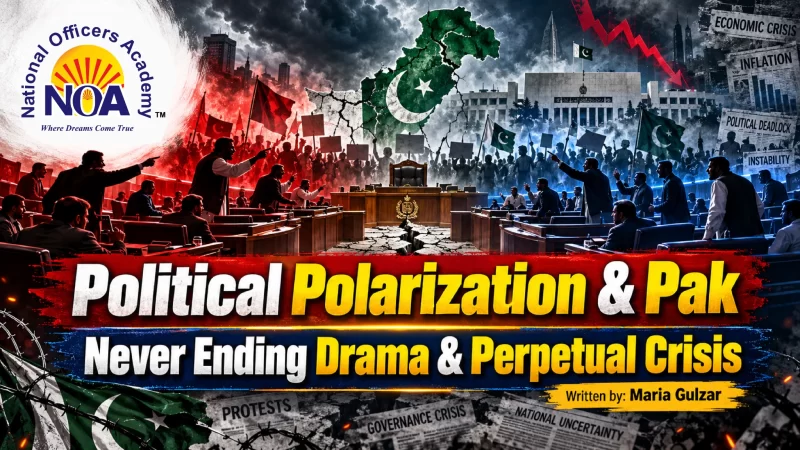
Pakistan’s political polarization has deepened divisions across society, institutions and the economy. This article examines elite confrontation, constitutional crises, misinformation, institutional tensions and the wider costs for national integration, governance, economic stability and Pakistan’s international standing.Read More
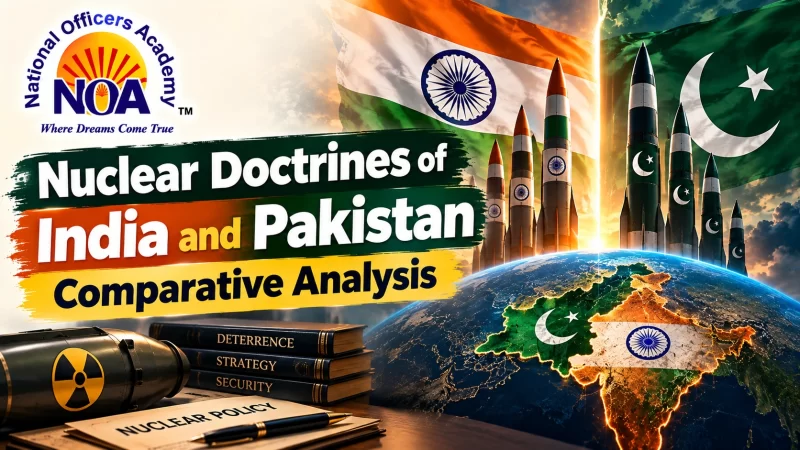
India and Pakistan have developed distinct nuclear doctrines shaped by historical rivalries, conventional military asymmetry and regional security concerns. This comparative analysis examines India's No First Use policy, Pakistan's Full Spectrum Deterrence, nuclear escalation, arms competition, the Russia-Ukraine war and the challenges facing strategic stability in South Asia. PastRead More
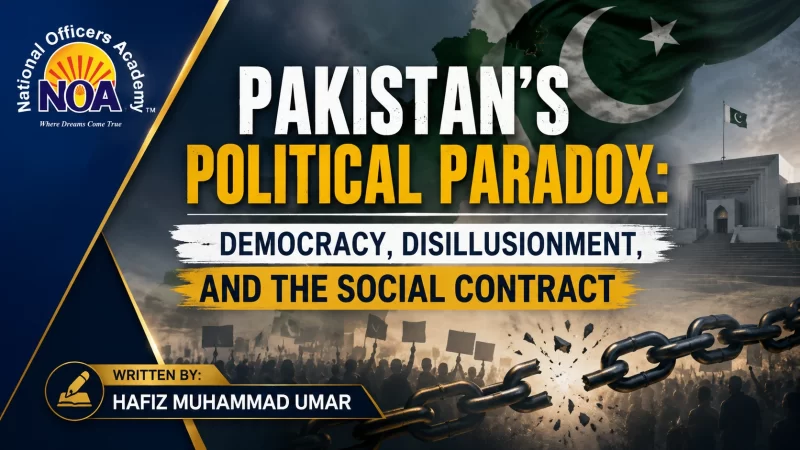
Pakistan’s political system reflects a widening gap between the state and its citizens. Social contract theory helps explain how weak institutions, disputed elections and declining public trust have contributed to political disillusionment.Read More



Recent Comments