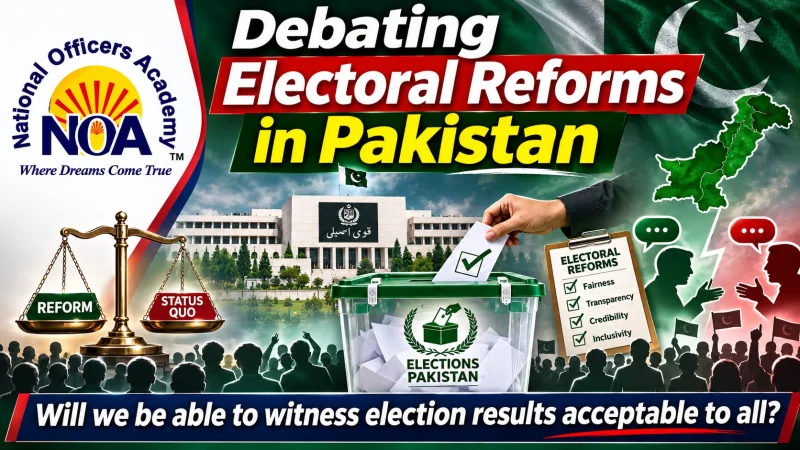
Electoral reforms remain central to strengthening democracy and public confidence in Pakistan. This article examines Pakistan’s electoral system and history, proposed amendments to the Elections Act 2017, electronic voting machines, overseas voting, inclusion of marginalized groups, weaknesses of manual voting, ECP objections and the need for consensus-based reform.Read More
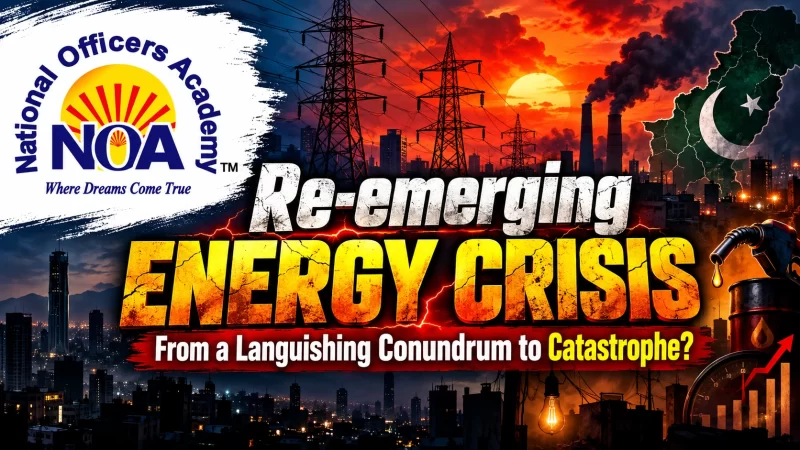
Pakistan’s recurring energy crisis stems not simply from insufficient generation capacity but from circular debt, imported-fuel dependence, transmission losses, electricity theft, weak governance and policy inconsistency. This article examines the historical roots of the crisis, its economic consequences and short- and long-term reforms required to restore energy security.Read More
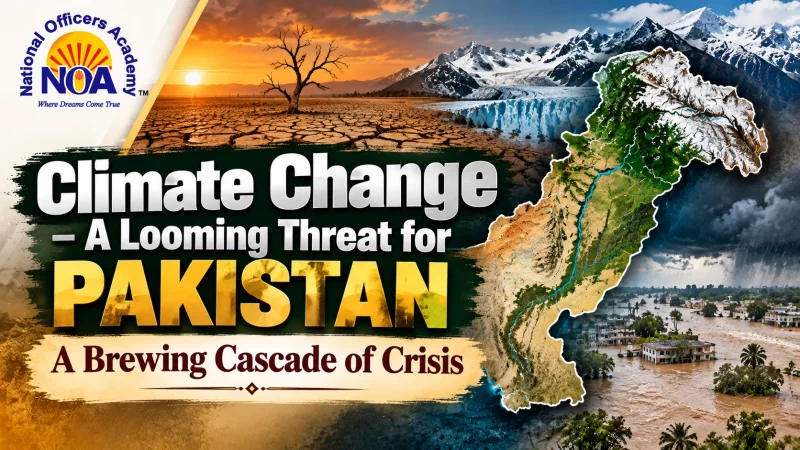
Pakistan faces growing climate threats including smog, erratic rainfall, glacial melting, heatwaves, floods, wildfires, agricultural losses and water stress. This article examines the major climate risks facing Pakistan and reviews national responses such as renewable energy projects, plantation drives, electric vehicle policy and the Ecosystem Restoration FundRead More
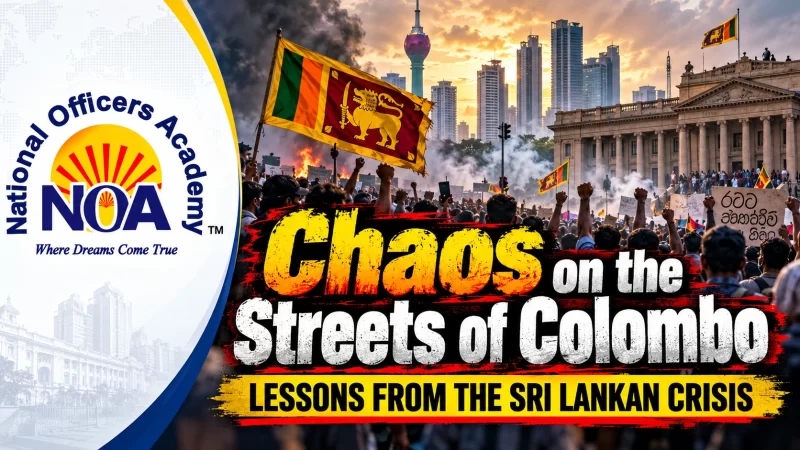
Sri Lanka’s economic collapse rapidly transformed into a political crisis marked by inflation, fuel shortages, depleted foreign-exchange reserves, debt distress and mass protests in Colombo. This article examines the major causes of the Sri Lankan crisis, the fall of the Rajapaksa political establishment, similarities with Pakistan’s economic vulnerabilities and key lessons for Islamabad.Read More
Montesquieu’s doctrine of separation of powers divides state authority among the legislature, executive and judiciary to prevent concentration of power. This article examines the doctrine in the United States and Pakistan, judicial review, institutional overlap, the influence of bureaucracy, media and advisory bodies, and the need for clearer constitutional boundaries among state organs.Read More
Civil-military relations are a key indicator of democratic quality and institutional balance. This article applies the ideas of Samuel Huntington and Morris Janowitz to Pakistan, examines the country’s colonial legacy and causes of military intervention, and discusses lessons from Turkey for strengthening civilian supremacy and democratic governance.Read More
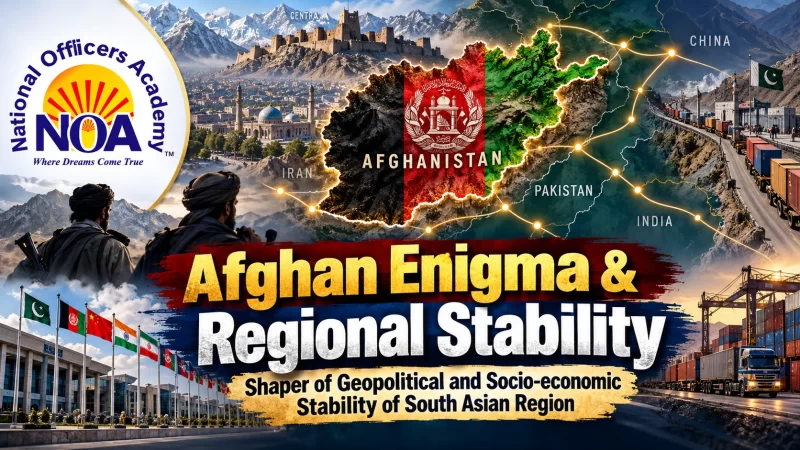
Afghanistan’s political future has direct implications for the security, connectivity and economic stability of South Asia. This article examines the Taliban’s return to power, Afghanistan’s humanitarian and security crises, regional connectivity, terrorism, narcotics, bilateral relations and Pakistan’s role in promoting stability.Read More
Hybrid warfare combines military and non-military tools such as cyber attacks, propaganda, proxies, economic pressure, terrorism, information operations and diplomatic coercion. This article examines its relevance to Pakistan, the vulnerabilities it exploits, its political, economic and social implications, and Pakistan’s response to this evolving security challenge.Read More
Pakistan’s Transgender Persons (Protection of Rights) Act, 2018 was introduced to protect a historically marginalised community from discrimination and to secure rights relating to identity, education, employment, healthcare, inheritance and public participation. The article also reviews major criticisms concerning terminology, self-perceived gender identity, implementation gaps, penal provisions and social acceptance.Read More



Recent Comments