Pakistan’s economic crisis has been shaped by persistent balance-of-payments problems, inflation, currency depreciation, weak foreign-exchange reserves, rising debt, political instability, energy pressures and repeated reliance on external financing. The article examines the severity and causes of the crisis, Pakistan’s relationship with the IMF, external support and the need for structural reforms. Pasted textRead More
Pakistan’s counter-terrorism gains came under renewed pressure following the Afghan Taliban’s return to power, the breakdown of ceasefires with the TTP, weaknesses in border management, militant regrouping, institutional shortcomings and domestic political instability. The article examines the factors behind the resurgence and proposes a more comprehensive counter-terrorism response. Pasted markdownRead More
China’s growing trade, investment, infrastructure projects and diplomatic engagement are reshaping the Middle East. Explore Beijing’s relations with Saudi Arabia, Iran, the UAE, Iraq, Syria and Egypt, and what its rise means for American influence and the emerging multipolar world order.Read More
China’s mediation between Iran and Saudi Arabia marked an important shift in Middle Eastern diplomacy. Explore the deal, its regional implications, China’s growing influence and what it means for the future role of the United States in the Middle East.Read More
The United States has played a major role in the international response to Russia’s invasion of Ukraine through military assistance, economic sanctions, diplomatic backing and an expanded NATO posture in Europe. This article examines the scale and strategic rationale of American involvement in the conflict.Read More
Ten years of the China-Pakistan Economic Corridor have transformed Pakistan-China economic cooperation through major investments in energy, infrastructure and connectivity. This article examines CPEC’s achievements, Phase II prospects, socio-economic potential and the challenges that will shape its future.Read More
Islamophobia has emerged as a major global challenge, manifesting through discrimination, hate speech, attacks on religious sites, anti-Muslim stereotypes and exclusionary practices. Understanding its causes and strengthening education, interfaith dialogue, responsible media representation and international cooperation are essential to counter it effectively.Read More
The United States debt ceiling has evolved from a routine fiscal mechanism into a recurring source of political and economic uncertainty. This article explains the debt ceiling, the consequences of a potential U.S. default, its effects on global markets, and the debate over whether the borrowing limit should be retained or abolished.Read More
Explore the significance of the Economic Cooperation Organization (ECO) for Pakistan, including regional trade, energy cooperation, connectivity, Afghanistan, ECOTA, and Pakistan’s role in ECO institutions.Read More
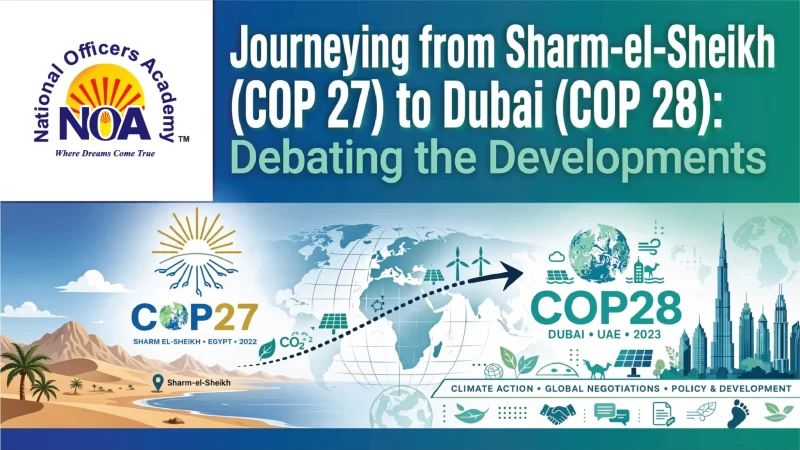
Explore the journey from COP 27 in Sharm-el-Sheikh to COP 28 in Dubai, Pakistan’s role in G-77 & China, and key debates on climate finance, loss and damage, adaptation, mitigation, and the Global Stocktake.Read More




Recent Comments