The Russia-Ukraine war has become a major geopolitical rupture, reshaping NATO-Russia relations, accelerating great-power competition, disrupting energy and food markets, and intensifying inflation worldwide. This article examines the historical context of the conflict, its strategic and economic consequences, and its implications for Pakistan’s foreign, energy and economic security.Read More
Afghanistan’s political future has direct implications for the security, connectivity and economic stability of South Asia. This article examines the Taliban’s return to power, Afghanistan’s humanitarian and security crises, regional connectivity, terrorism, narcotics, bilateral relations and Pakistan’s role in promoting stability.Read More
The US-led War on Terror began after the September 11 attacks with the objectives of defeating transnational terrorist organisations, denying them safe havens and protecting the United States. This article examines why the campaign in Afghanistan ultimately failed, focusing on strategic confusion, overreliance on military force, weak state-building, declining public support, flawed regional policies and...Read More
Hybrid warfare combines military and non-military tools such as cyber attacks, propaganda, proxies, economic pressure, terrorism, information operations and diplomatic coercion. This article examines its relevance to Pakistan, the vulnerabilities it exploits, its political, economic and social implications, and Pakistan’s response to this evolving security challenge.Read More
The article critically examines the rise of Hindutva politics in India and its implications for secularism and minority rights. It discusses the BJP-RSS ideological relationship, communal violence, cow-protection laws, the Citizenship Amendment Act, hijab restrictions, Kashmir, and contrasts these developments with constitutional protections and selected minority-rights initiatives in Pakistan.Read More
Pakistan’s Transgender Persons (Protection of Rights) Act, 2018 was introduced to protect a historically marginalised community from discrimination and to secure rights relating to identity, education, employment, healthcare, inheritance and public participation. The article also reviews major criticisms concerning terminology, self-perceived gender identity, implementation gaps, penal provisions and social acceptance.Read More
Pakistan’s political polarization has deepened divisions across society, institutions and the economy. This article examines elite confrontation, constitutional crises, misinformation, institutional tensions and the wider costs for national integration, governance, economic stability and Pakistan’s international standing.Read More
Political and economic instability has slowed Pakistan’s ability to fully realise CPEC’s potential, particularly its second phase focused on industrialisation, Special Economic Zones, agriculture and technology. The article examines how policy inconsistency, security risks, bureaucratic hurdles, weak investor confidence and political uncertainty affect CPEC and Pakistan-China relations.Read More
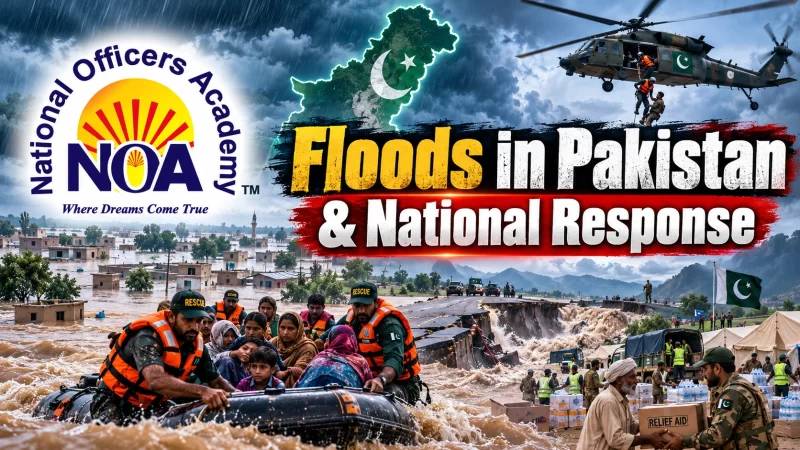
Pakistan’s 2022 floods exposed the country’s deep climate vulnerability and serious gaps in disaster preparedness, urban planning, institutional coordination and financing. This article examines the scale of the disaster, Pakistan’s climate risks, shortcomings in national response mechanisms and a comprehensive framework for strengthening resilience.Read More
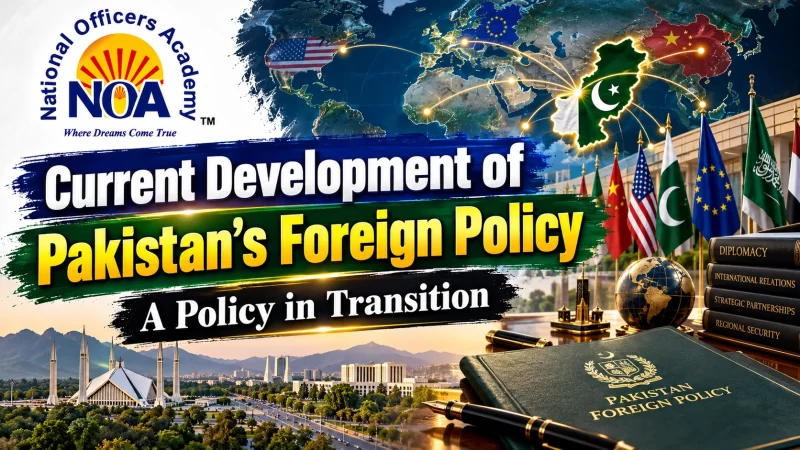
Pakistan’s foreign policy has increasingly sought to balance strategic relations with major powers while expanding economic diplomacy across the Middle East, Central Asia, East Asia and Africa. The article examines Pakistan’s engagement with global actors, its FATF exit, COP27 diplomacy, geo-economic orientation and attempts to rebuild relations with the United States.Read More



Recent Comments