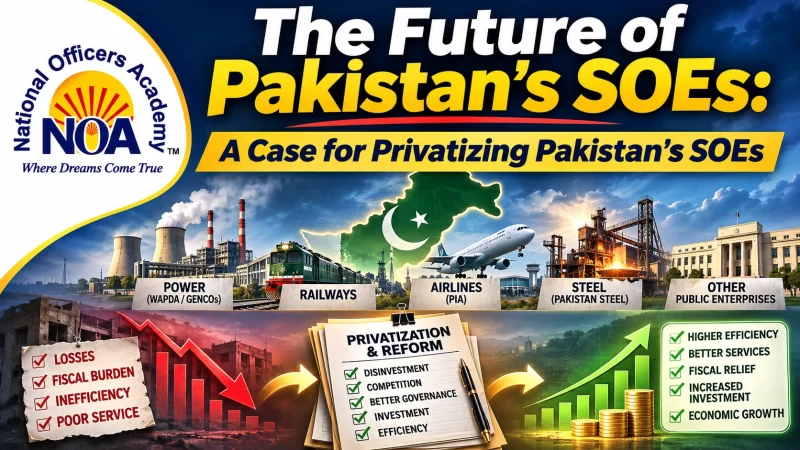
Pakistan's state-owned enterprises have faced persistent financial losses, operational inefficiencies and governance challenges. This article examines the case for privatization through examples from PIA, Pakistan Railways, MCB, K-Electric and Pakistan Steel Mills, while addressing major counterarguments and the government's regulatory responsibilities.Read More
The April 2025 Pahalgam attack triggered a major diplomatic confrontation between India and Pakistan. This article examines allegations, political narratives, retaliatory measures, the Kashmir dispute and calls for an independent investigation.Read More
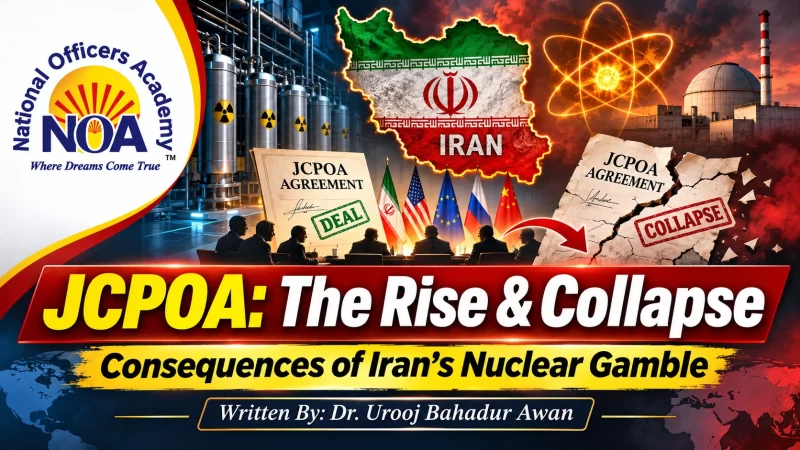
The JCPOA once represented a breakthrough in nuclear diplomacy. This analysis examines its formation, collapse, Iran's nuclear ambitions, US-Israel confrontation and the geopolitical consequences for the Middle East.Read More
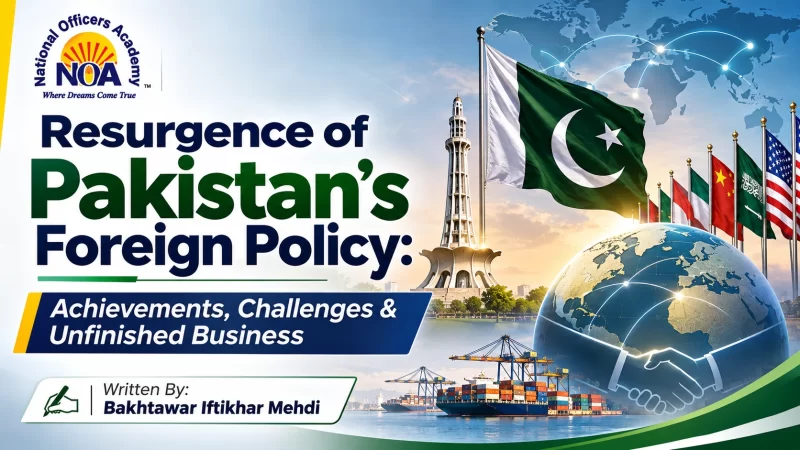
Pakistan’s foreign policy witnessed significant diplomatic developments in 2025, from regional security successes to renewed engagement with major powers. This analysis examines its achievements, challenges and unfinished business.Read More
South Asia’s shared rivers are increasingly becoming instruments of strategic leverage. This article examines China’s mega-dam on the Yarlung Tsangpo, downstream risks for India and Bangladesh, the growing strain on the Indus Waters Treaty, Pakistan’s legal options, climate-induced water stress and the wider securitization of transboundary water governance.Read More
Pakistan’s recurring floods, cloudbursts, glacial hazards and extreme monsoon rainfall increasingly reflect both climate intensification and governance shortcomings. This article examines the 2025 floods, cloudburst disasters, climate-budget tagging, infrastructure failures and international best practices such as Copenhagen’s cloudburst plan and the Netherlands’ Room for the River strategy.Read More
Taiwan has emerged as a critical geopolitical, military and technological fulcrum in the US–China strategic rivalry. This article examines Taiwan’s historical evolution, the One China framework, Washington’s policy of strategic ambiguity, China’s military pressure, the island’s semiconductor “silicon shield” and the growing risk of a great-power collision in the Taiwan Strait.Read More
The Gaza “Board of Peace” represents a new U.S.-led framework for post-conflict governance, reconstruction and stabilisation. This article examines its institutional structure, relationship with the United Nations, criticism over legitimacy and centralized authority, the Muslim world’s response, and Pakistan’s decision to join while maintaining clear red lines on Palestinian self-determination, UN authority and any future...Read More
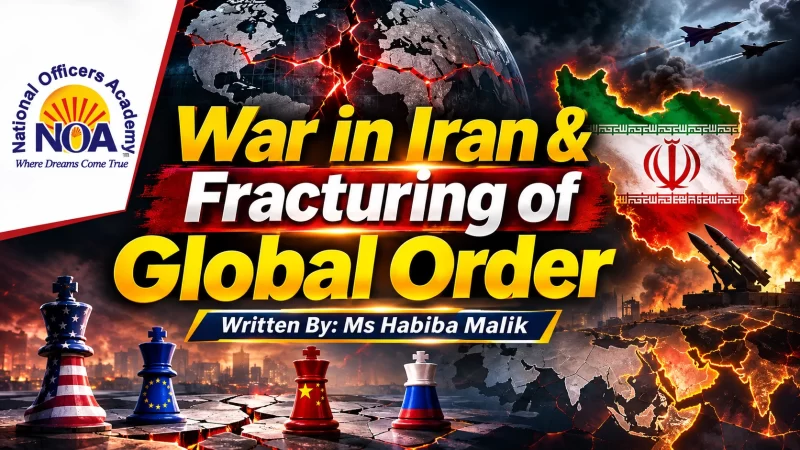
The Iran war has expanded beyond military confrontation into a global geo-economic crisis. This article examines Iran’s internal resilience, the Strait of Hormuz, energy and fertilizer shocks, threats to Gulf infrastructure, implications for Russia and China, the limits of regime-change strategy, and the risks surrounding Kharg Island and a wider restructuring of the global order.Read More
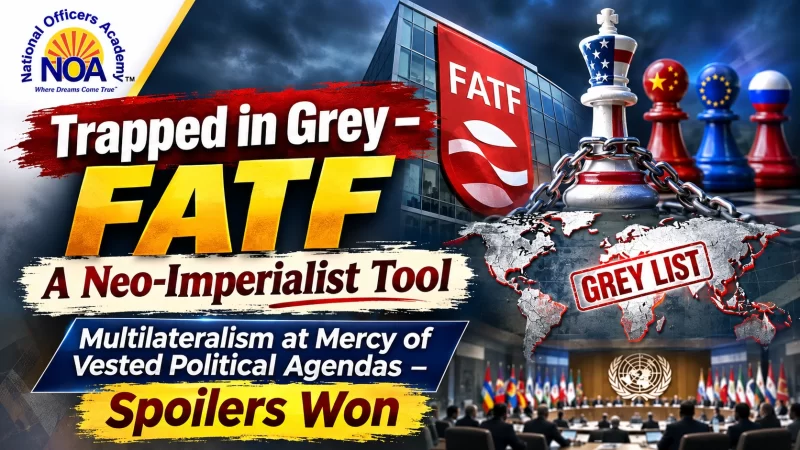
Pakistan’s prolonged presence on the FATF grey list generated debate over whether the anti-money-laundering watchdog was functioning purely as a technical institution or had become vulnerable to geopolitical influence. This article examines Pakistan’s FATF journey, AML/CFT reforms, grey-list requirements, allegations of selective treatment and the wider role of major powers in global financial governance.Read More



Recent Comments