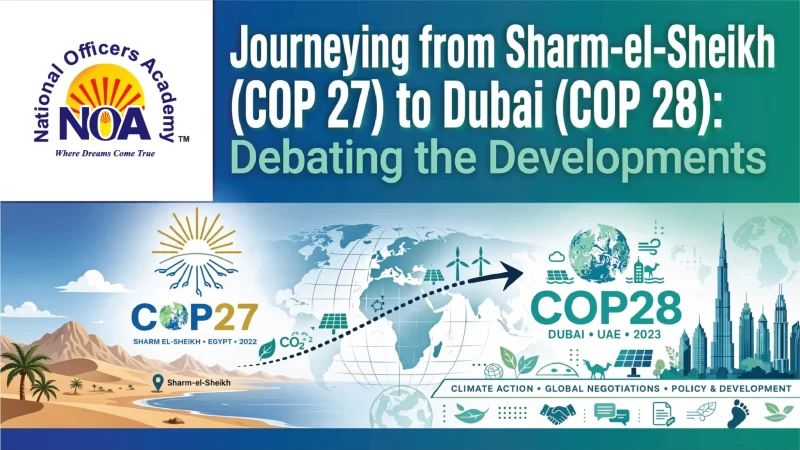
Explore the journey from COP 27 in Sharm-el-Sheikh to COP 28 in Dubai, Pakistan’s role in G-77 & China, and key debates on climate finance, loss and damage, adaptation, mitigation, and the Global Stocktake.Read More
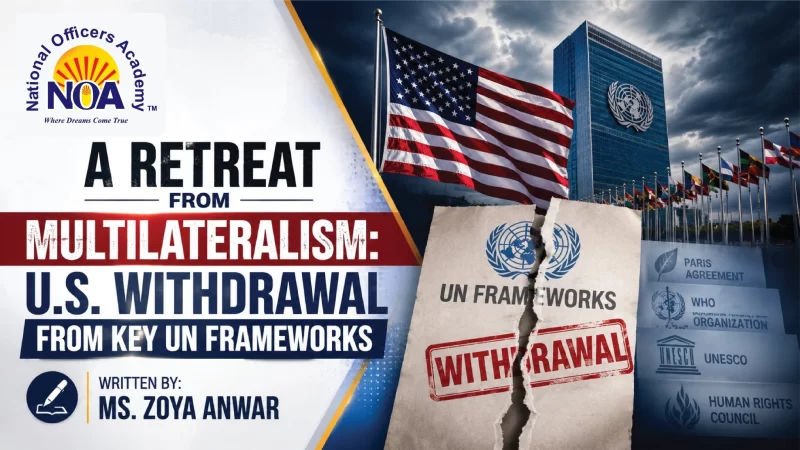
The United States’ withdrawal from the Paris Agreement, WHO and UNFPA reflects a broader shift from multilateral cooperation toward an America First, state-centric foreign policy. This article examines its implications for climate governance, global health, international institutions and the future of the liberal international order.Read More
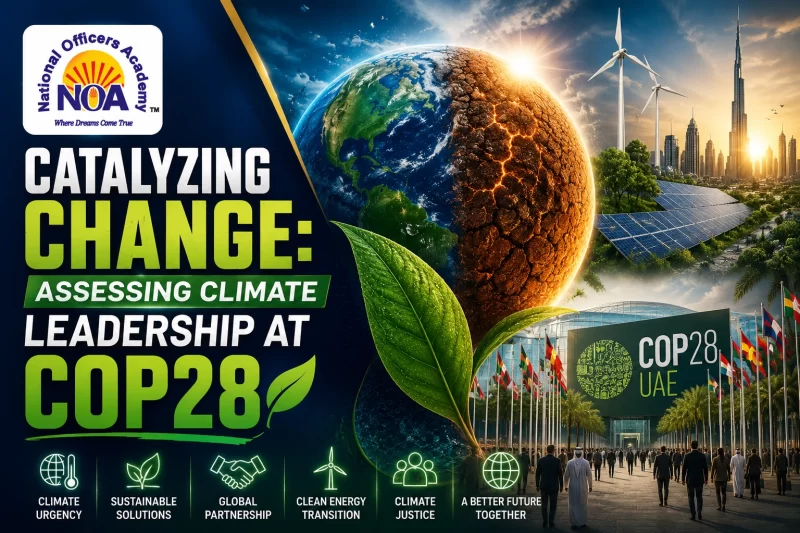
COP28 marked a historic shift in global climate diplomacy, from transitioning away from fossil fuels to operationalising the Loss and Damage Fund. This article assesses its achievements, shortcomings, climate justice implications and lessons for building Pakistan's climate resilience.Read More
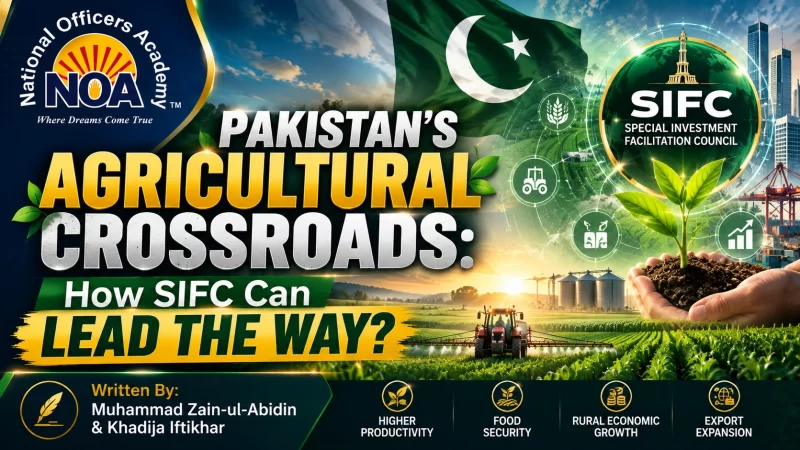
Pakistan’s agriculture sector faces climate change, water scarcity, soil degradation, high input costs and supply-chain weaknesses. SIFC can help modernize farming through investment, technology, infrastructure and export promotion.Read More
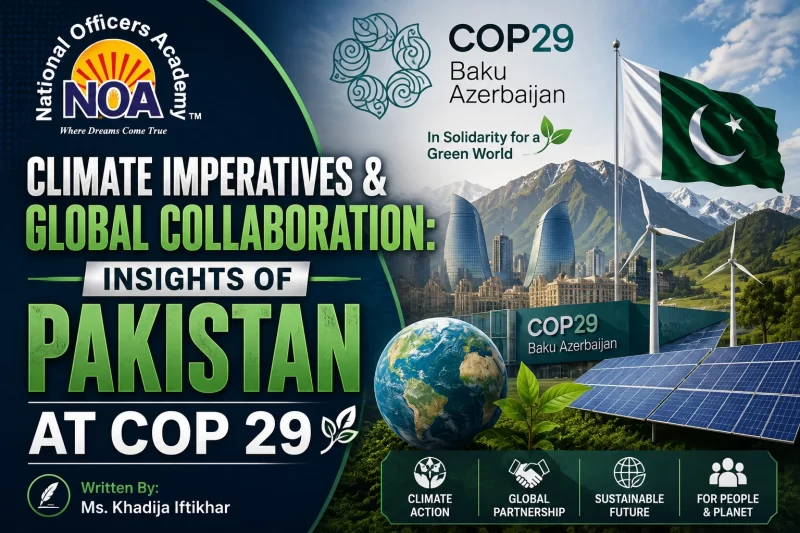
COP29 brought world leaders together in Baku to strengthen global climate action. Pakistan highlighted climate finance, adaptation, renewable energy, water management and climate justice as key priorities.Read More
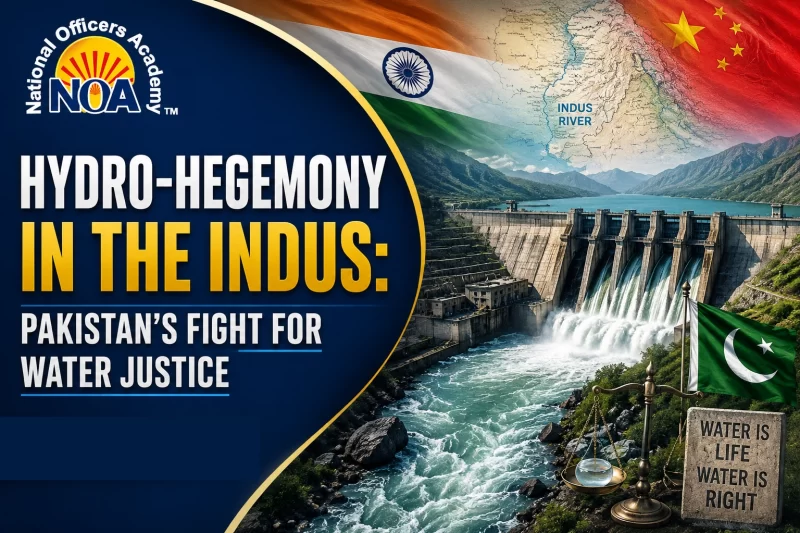
India’s suspension of the Indus Waters Treaty has intensified Pakistan’s concerns over water security, regional stability, and the growing threat of hydro-hegemony in South Asia.Read More
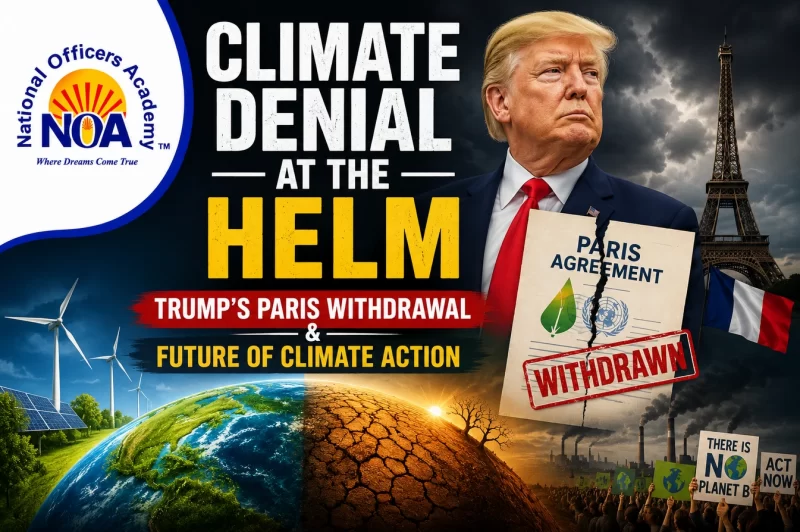
Trump’s withdrawal from the Paris Agreement marks a major setback for global climate action. As the world faces rising emissions, climate finance gaps, and leadership uncertainty, the future of climate diplomacy depends on whether major emitters can uphold their commitments without consistent U.S. leadership.Read More
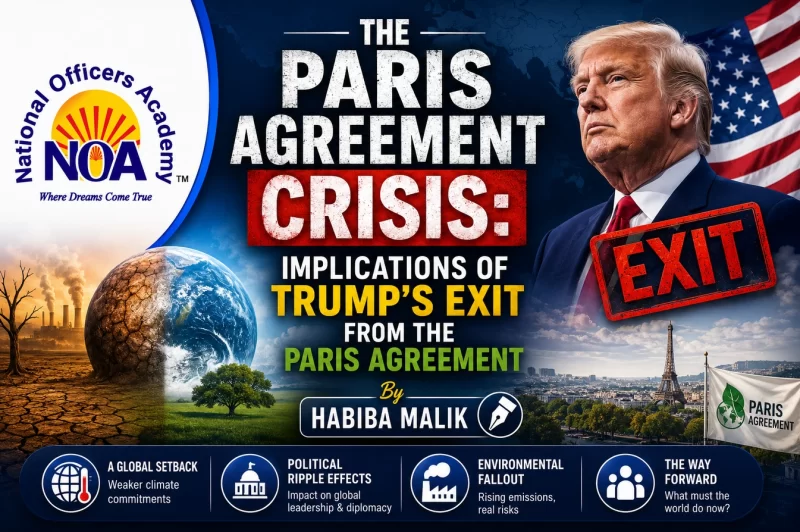
The Paris Agreement stands as a landmark global climate accord aimed at limiting global warming and strengthening international cooperation. However, Trump’s withdrawal from the agreement exposed deep flaws in U.S. climate commitments, weakened multilateral trust, and opened space for alternative global climate leadership.Read More



Recent Comments