China’s growing trade, investment, infrastructure projects and diplomatic engagement are reshaping the Middle East. Explore Beijing’s relations with Saudi Arabia, Iran, the UAE, Iraq, Syria and Egypt, and what its rise means for American influence and the emerging multipolar world order.Read More
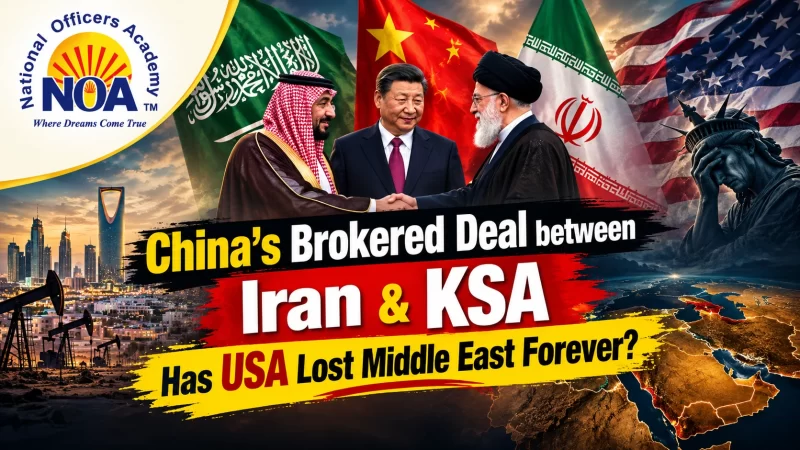
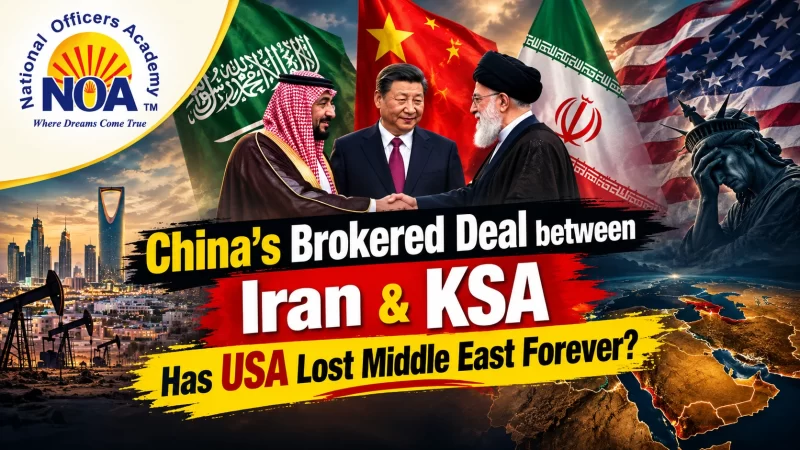
China’s mediation between Iran and Saudi Arabia marked an important shift in Middle Eastern diplomacy. Explore the deal, its regional implications, China’s growing influence and what it means for the future role of the United States in the Middle East.Read More
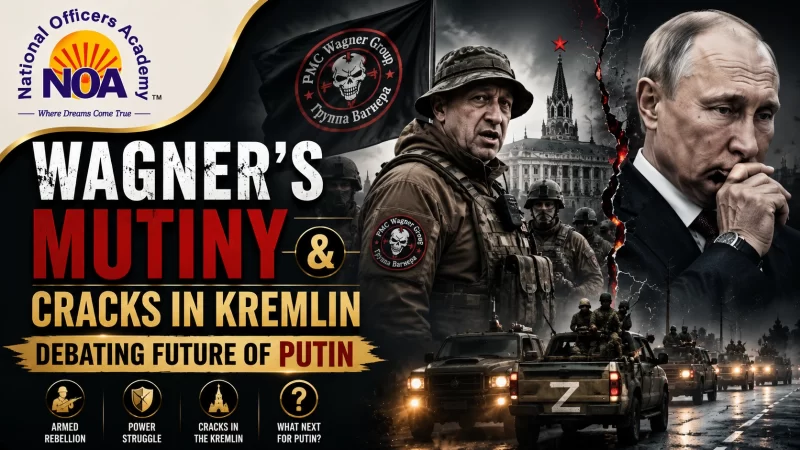
The Wagner Group mutiny exposed vulnerabilities within Russia’s political and security establishment. Explore Prigozhin’s rebellion, cracks within the Kremlin, the possibility of further challenges and what a post-Putin Russia could look like.Read More
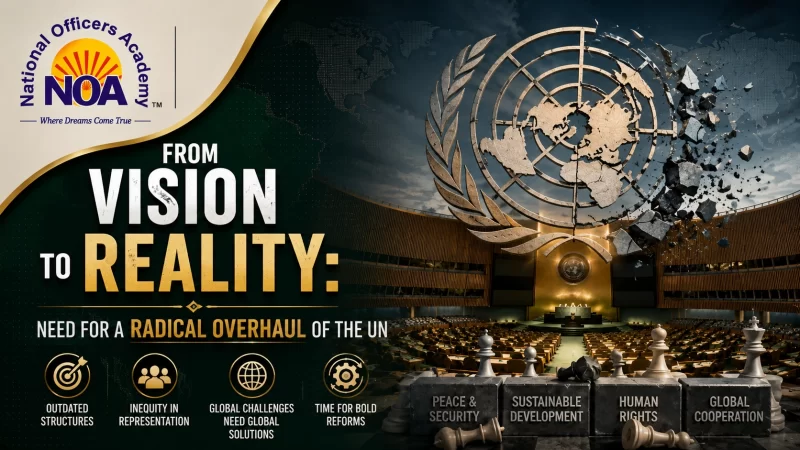
Is the United Nations equipped for the realities of the 21st century? Explore the UN’s structural shortcomings, Security Council controversies, veto politics and major proposals for creating a more representative and effective global institution.Read More
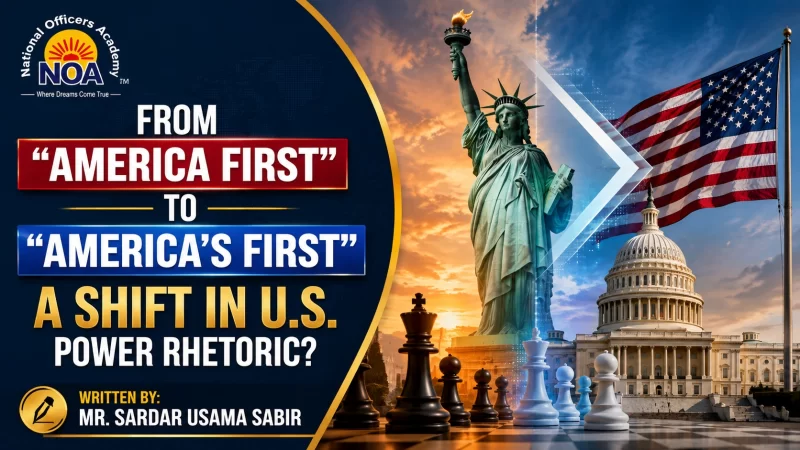
The shift from “America First” to “America’s First” captures a deeper transformation in U.S. power rhetoric—from prioritizing national interests toward a more transactional and possessive approach to alliances, trade, security and global influence.Read More
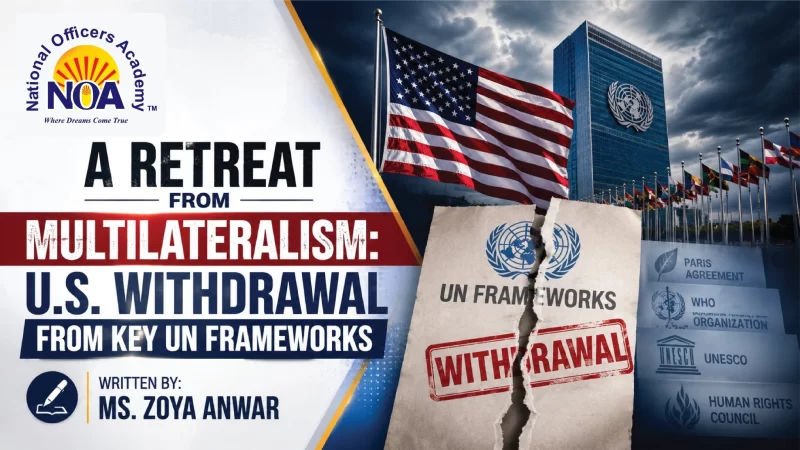
The United States’ withdrawal from the Paris Agreement, WHO and UNFPA reflects a broader shift from multilateral cooperation toward an America First, state-centric foreign policy. This article examines its implications for climate governance, global health, international institutions and the future of the liberal international order.Read More
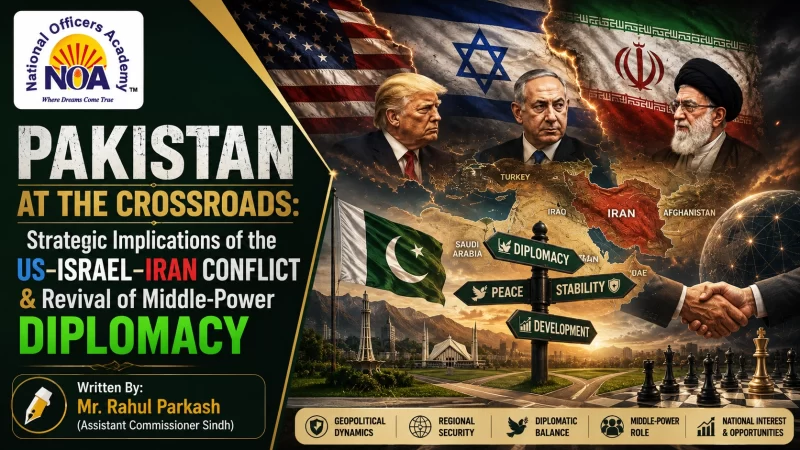
The US–Israel–Iran conflict presents Pakistan with serious security, economic and diplomatic challenges while creating an opportunity to revive its role as a middle-power mediator. The article examines Pakistan’s strategic choices, regional vulnerabilities and potential role in promoting dialogue and stability.Read More
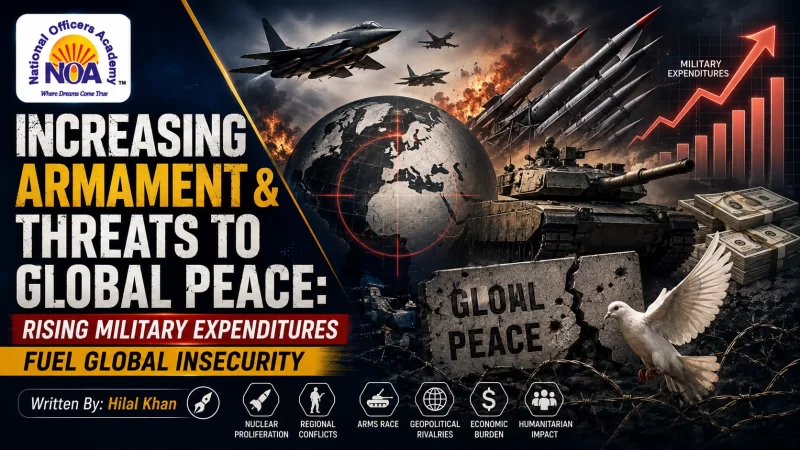
Global military spending has surpassed $2.7 trillion amid great-power rivalry, regional wars, nuclear modernisation and technological competition. This article examines the new global arms race, its impact on international peace, and strategic pathways for restoring restraint, arms control and stability.Read More
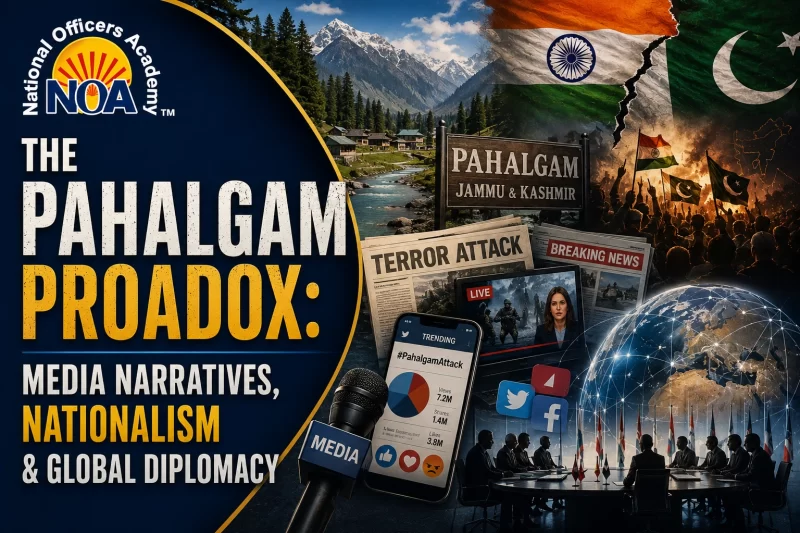
The Pahalgam attack intensified India-Pakistan tensions and triggered competing narratives shaped by media, nationalism, domestic politics, and international diplomacy.Read More
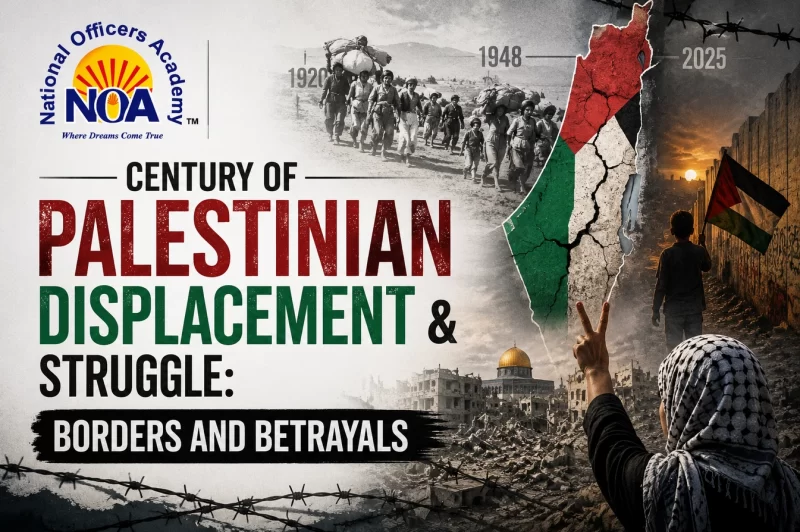
The Palestinian issue is one of the world’s longest and most complex conflicts. Rooted in colonial decisions, forced displacement, occupation, settlement expansion, and repeated wars, the struggle continues as Palestinians demand the right to return, self-determination, and basic human rights.Read More



Recent Comments