Pakistan’s agriculture sector faces climate change, water scarcity, soil degradation, high input costs and supply-chain weaknesses. SIFC can help modernize farming through investment, technology, infrastructure and export promotion.Read More
Pakistan possesses a young population, growing startup culture and strong freelancing potential. However, better policies, infrastructure, education and investment are needed to unlock its IT economy.Read More
Pakistan’s successful hosting of the SCO Summit in Islamabad provided an opportunity to strengthen regional partnerships, promote economic connectivity and improve its global diplomatic image.Read More
COP29 brought world leaders together in Baku to strengthen global climate action. Pakistan highlighted climate finance, adaptation, renewable energy, water management and climate justice as key priorities.Read More
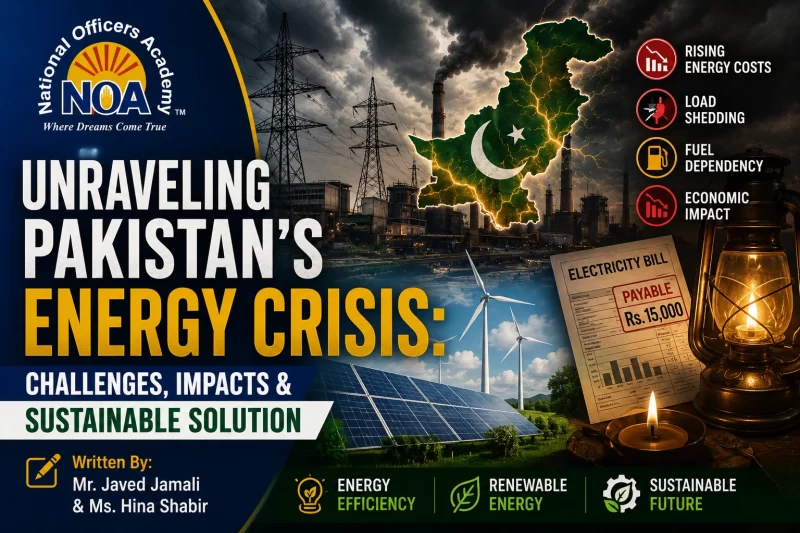
Pakistan’s energy crisis is driven by costly IPP agreements, circular debt, fuel imports, transmission losses, and poor governance. Sustainable reforms are essential for affordable and reliable energy.Read More
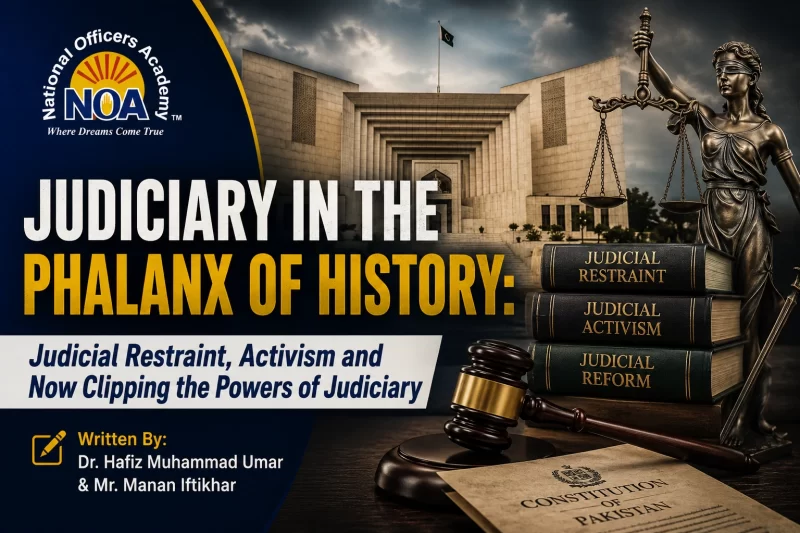
Pakistan’s judiciary has evolved from a largely restrained institution into a powerful constitutional actor. This article examines its history, judicial activism, and concerns over reforms affecting its independence.Read More
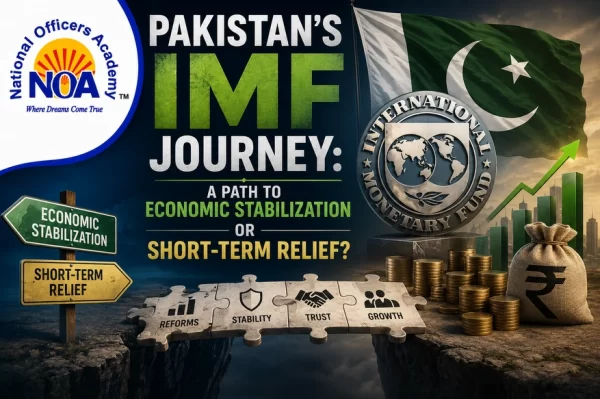
Pakistan’s long engagement with the IMF has provided repeated short-term relief during economic crises. However, fiscal weakness, inflation, energy sector inefficiencies, tax gaps, and incomplete structural reforms continue to raise questions about whether IMF programs can truly deliver long-term stability.Read More
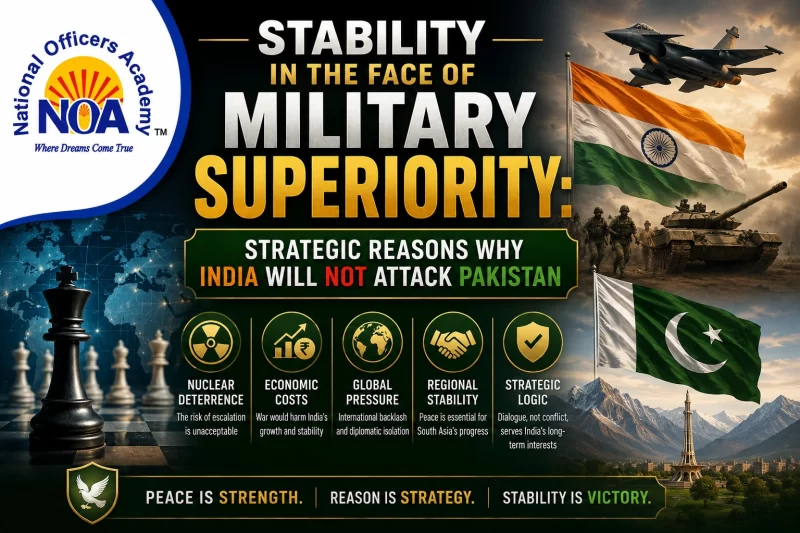
Despite India’s conventional military superiority, a full-scale attack on Pakistan remains unlikely due to nuclear deterrence, escalation risks, economic costs, international pressure, Pakistan’s counter-deterrence, and the strategic logic of regional stability.Read More
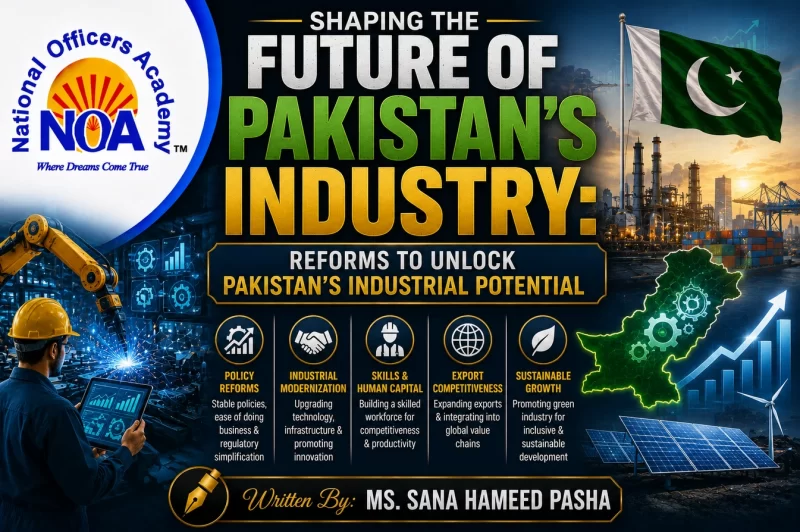
Pakistan’s industrial sector holds significant potential for economic growth, exports, and employment. However, energy shortages, policy inconsistencies, weak regulation, low innovation, poor diversification, and skill gaps continue to restrict industrial transformation and global competitiveness.Read More
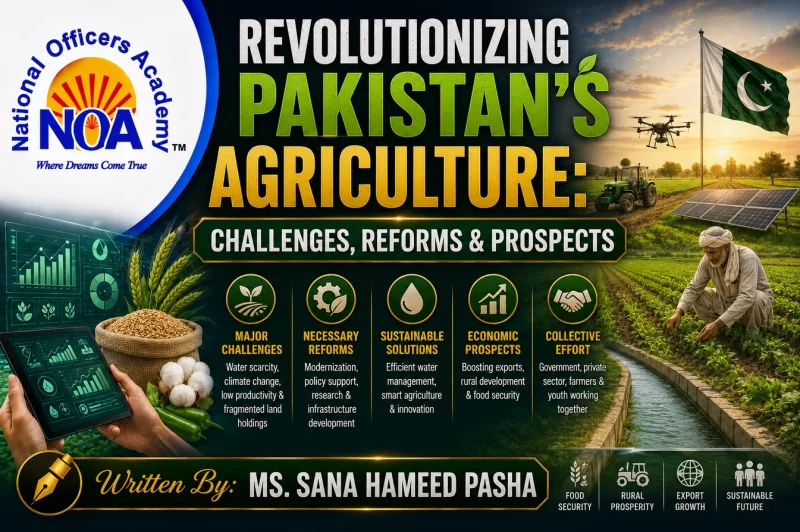
Pakistan’s agriculture sector remains central to food security, rural employment, exports, and GDP growth. However, climate change, water scarcity, soil degradation, outdated farming practices, and infrastructure gaps demand urgent reforms for a sustainable and competitive agricultural future.Read More



Recent Comments