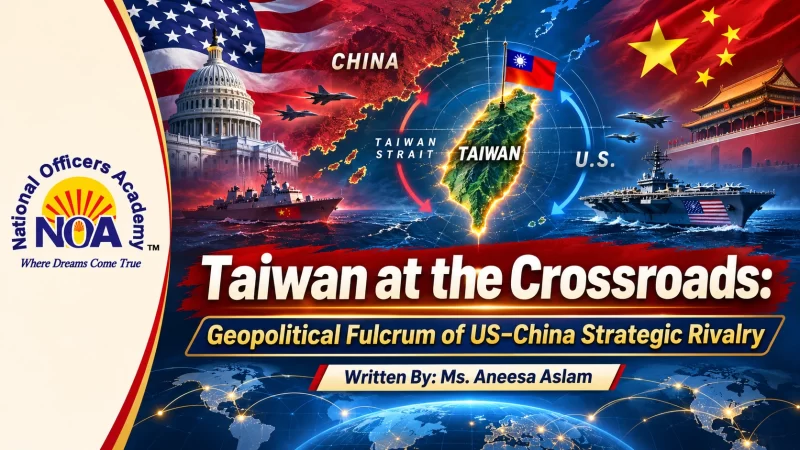
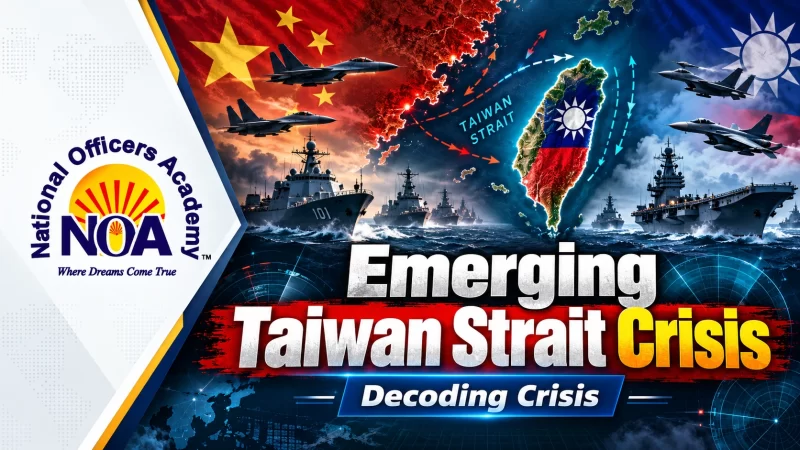
Taiwan has emerged as a critical geopolitical, military and technological fulcrum in the US–China strategic rivalry. This article examines Taiwan’s historical evolution, the One China framework, Washington’s policy of strategic ambiguity, China’s military pressure, the island’s semiconductor “silicon shield” and the growing risk of a great-power collision in the Taiwan Strait.Read More
The Iran war has expanded beyond military confrontation into a global geo-economic crisis. This article examines Iran’s internal resilience, the Strait of Hormuz, energy and fertilizer shocks, threats to Gulf infrastructure, implications for Russia and China, the limits of regime-change strategy, and the risks surrounding Kharg Island and a wider restructuring of the global order.Read More
Pakistan’s prolonged presence on the FATF grey list generated debate over whether the anti-money-laundering watchdog was functioning purely as a technical institution or had become vulnerable to geopolitical influence. This article examines Pakistan’s FATF journey, AML/CFT reforms, grey-list requirements, allegations of selective treatment and the wider role of major powers in global financial governance.Read More
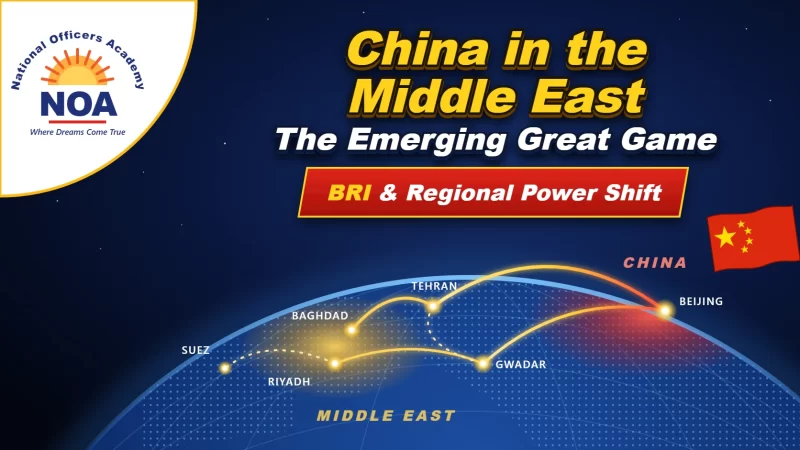
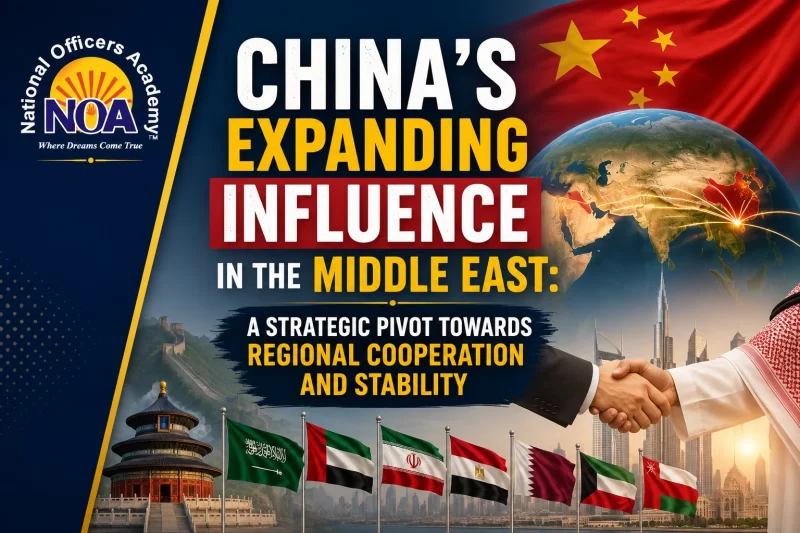
China’s expanding economic presence is adding a new dimension to the Middle East’s long-running power competition. This article examines the Saudi-Iran rivalry, strategic importance of Gulf energy and trade routes, China’s growing investments under the Belt and Road Initiative, the relative US pullback, and Pakistan’s potential role as a gateway connecting China with the energy-rich...Read More
The global order is gradually moving away from post-Cold War unipolarity as China and Russia gain influence, alternative institutions emerge, the Indo-Pacific becomes more contested and economic power becomes increasingly dispersed. This article examines the decline of US hegemony, the rise of multiple power centres, BRI-B3W competition, nationalism, slowbalization and Pakistan’s place in an emerging...Read More
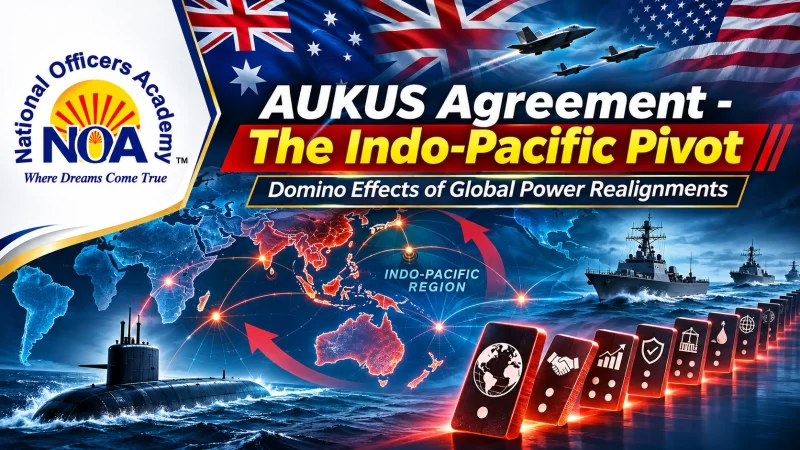
AUKUS marks a major shift in Indo-Pacific geopolitics by deepening defence cooperation among Australia, the United Kingdom and the United States. This article examines the pact’s strategic significance, nuclear-powered submarines, China’s response, France’s anger, implications for the EU, Australia-China relations, Five Eyes and the wider balance of power in Asia. Pasted text(20261103-114940)Read More
The Taiwan Strait has emerged as one of the most sensitive flashpoints in US-China relations. This article examines Taiwan’s disputed political status, Beijing’s One-China principle, the 1992 Consensus, Taiwan’s international position, Washington’s strategic ambiguity, growing US-Taiwan ties and the risk of military confrontation across the Strait.Read More
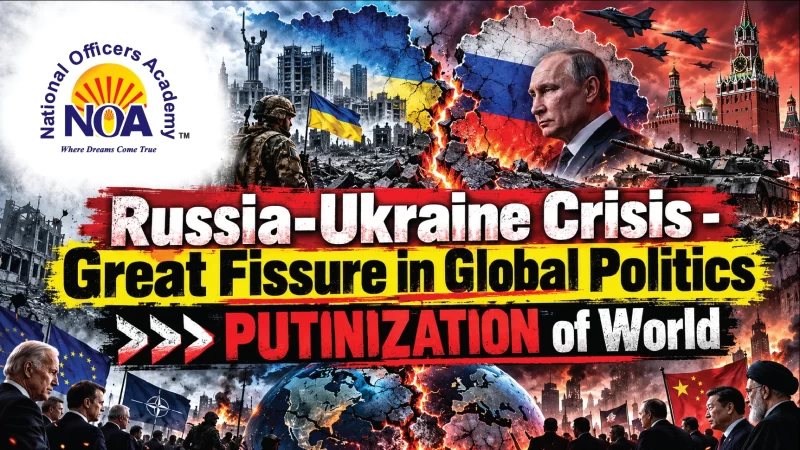
The Russia-Ukraine war has become a major geopolitical rupture, reshaping NATO-Russia relations, accelerating great-power competition, disrupting energy and food markets, and intensifying inflation worldwide. This article examines the historical context of the conflict, its strategic and economic consequences, and its implications for Pakistan’s foreign, energy and economic security.Read More
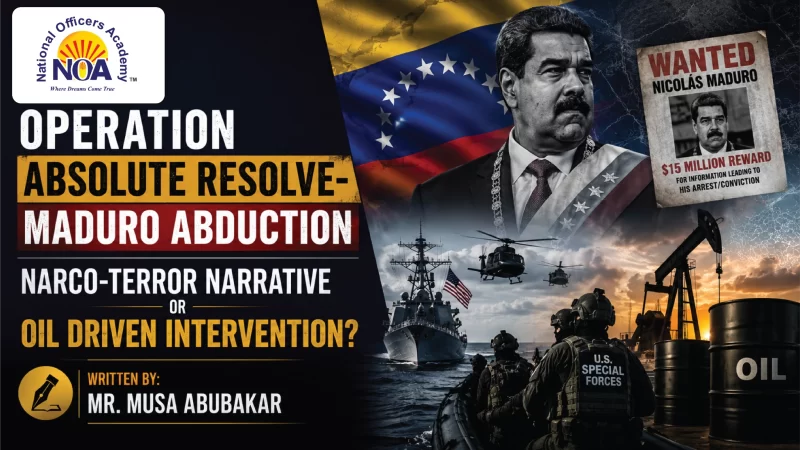
Operation Absolute Resolve and the capture of Nicolás Maduro raise critical questions about U.S. intervention in Venezuela. Was the operation driven by narco-terrorism and democracy, or did oil, regional dominance and great-power rivalry shape Washington’s strategy?Read More
China’s role in the Middle East is expanding beyond energy imports. Through the Belt and Road Initiative, strategic partnerships, diplomacy and humanitarian engagement, Beijing is emerging as an important regional actor.Read More





Recent Comments