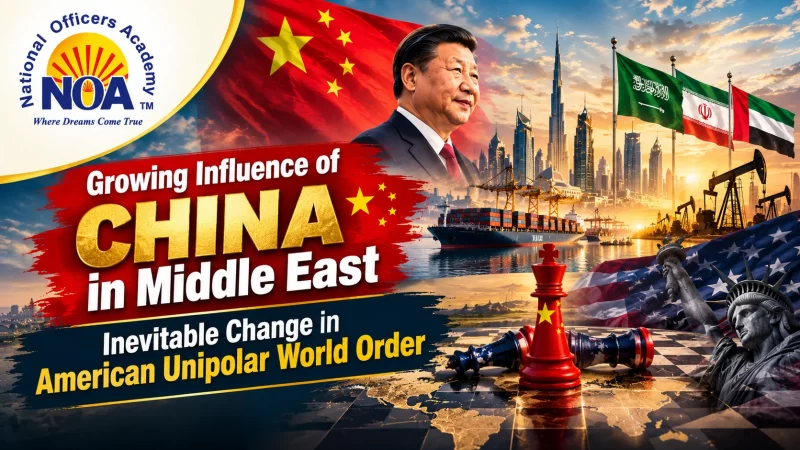
China’s expanding economic, diplomatic and strategic engagement with the Middle East is gradually altering the region’s geopolitical landscape. From massive trade and infrastructure investments to strategic partnerships and mediation between Saudi Arabia and Iran, Beijing has emerged as an increasingly important regional actor.Read More
China’s growing trade, investment, infrastructure projects and diplomatic engagement are reshaping the Middle East. Explore Beijing’s relations with Saudi Arabia, Iran, the UAE, Iraq, Syria and Egypt, and what its rise means for American influence and the emerging multipolar world order.Read More
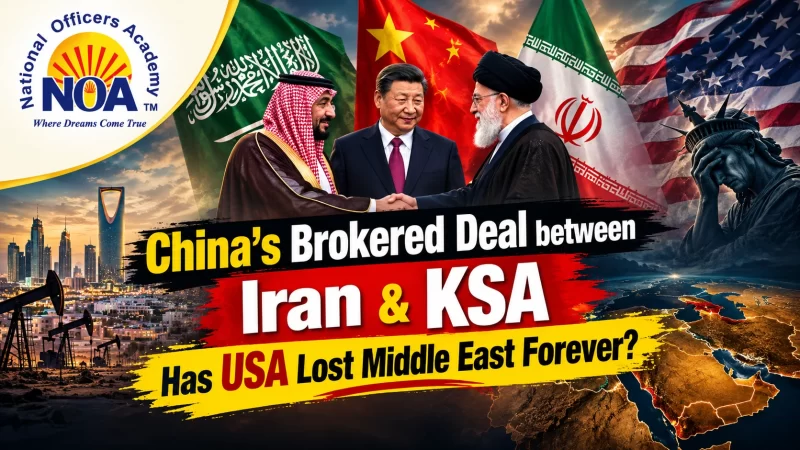
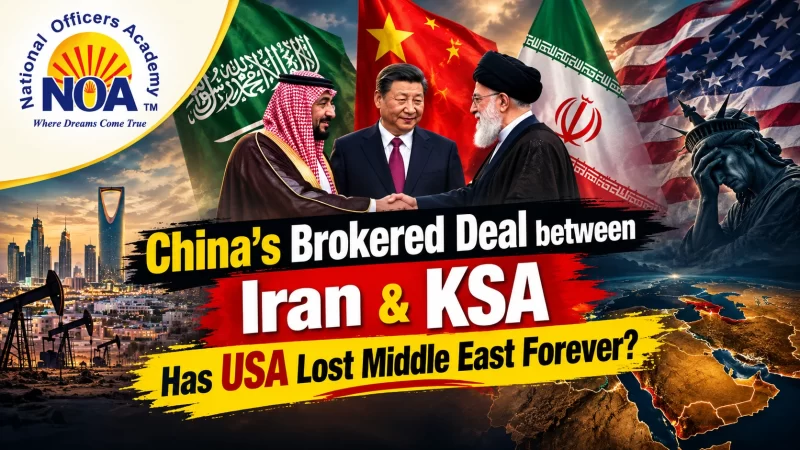
China’s mediation between Iran and Saudi Arabia marked an important shift in Middle Eastern diplomacy. Explore the deal, its regional implications, China’s growing influence and what it means for the future role of the United States in the Middle East.Read More
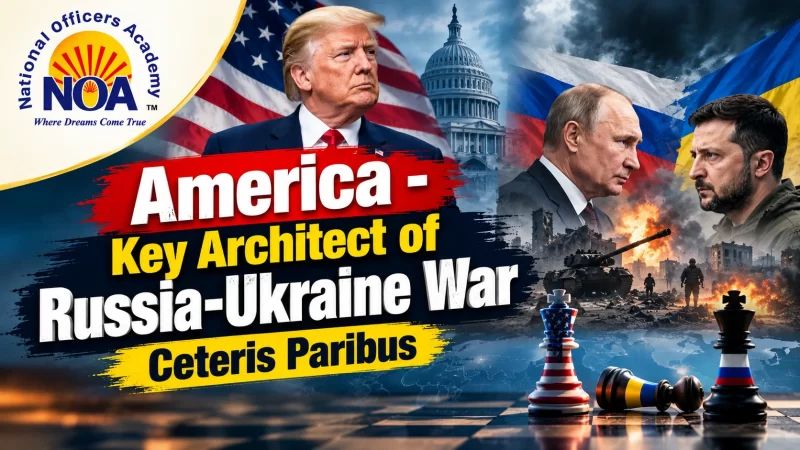
The United States has played a major role in the international response to Russia’s invasion of Ukraine through military assistance, economic sanctions, diplomatic backing and an expanded NATO posture in Europe. This article examines the scale and strategic rationale of American involvement in the conflict.Read More
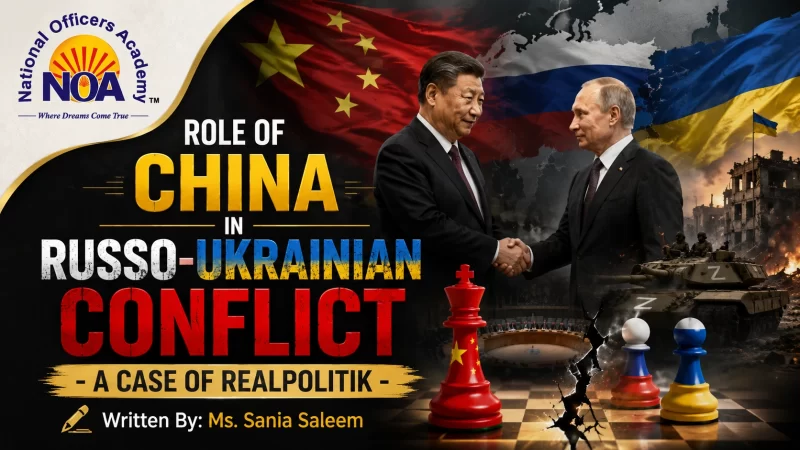
Explore China’s strategic role in the Russo-Ukrainian conflict, its partnership with Russia, rivalry with the United States, peace diplomacy and wider realpolitik calculations shaping the emerging global order.Read More
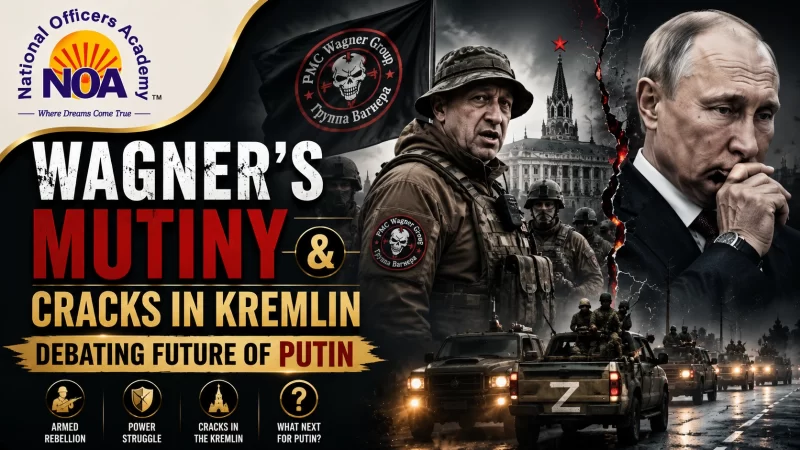
The Wagner Group mutiny exposed vulnerabilities within Russia’s political and security establishment. Explore Prigozhin’s rebellion, cracks within the Kremlin, the possibility of further challenges and what a post-Putin Russia could look like.Read More
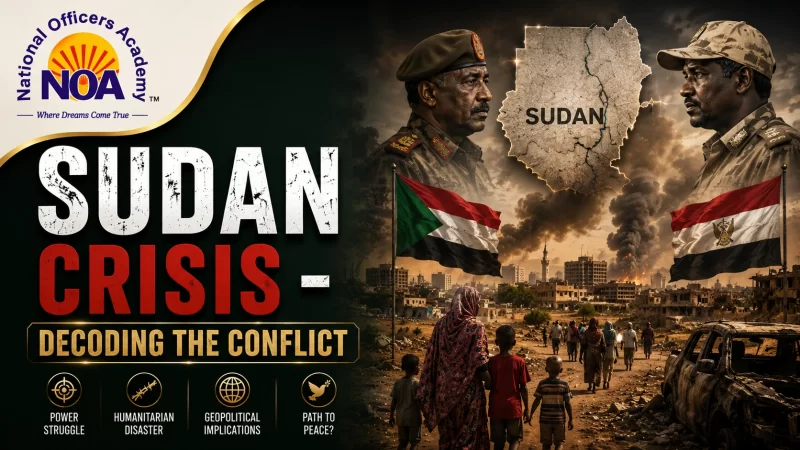
The Sudan crisis has evolved into a devastating struggle between the Sudanese Armed Forces and the Rapid Support Forces. Explore its political roots, humanitarian consequences, foreign involvement and implications for regional stability.Read More
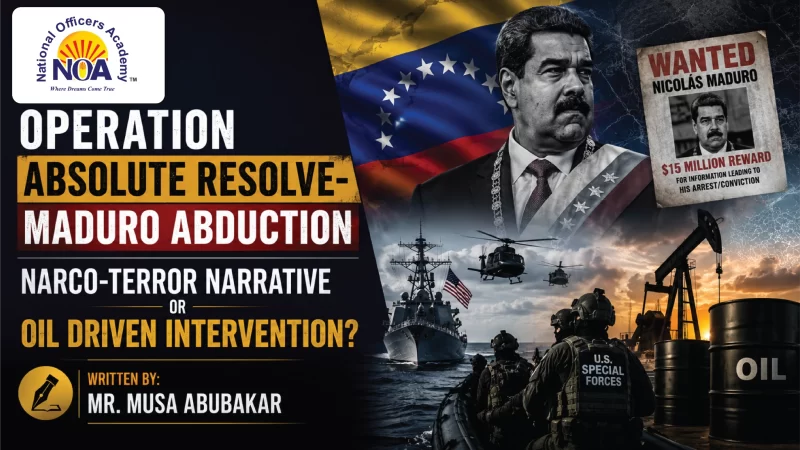
Operation Absolute Resolve and the capture of Nicolás Maduro raise critical questions about U.S. intervention in Venezuela. Was the operation driven by narco-terrorism and democracy, or did oil, regional dominance and great-power rivalry shape Washington’s strategy?Read More
The shift from “America First” to “America’s First” captures a deeper transformation in U.S. power rhetoric—from prioritizing national interests toward a more transactional and possessive approach to alliances, trade, security and global influence.Read More
Yemen has become a battlefield for regional power, shaped by state fragmentation, Houthi influence, proxy warfare and competing Saudi and Emirati ambitions. The article examines the historical conflict, Saudi-UAE rivalry, the Southern Transitional Council and Yemen’s strategic geography.Read More



Recent Comments