Pakistan’s economic crisis has been shaped by persistent balance-of-payments problems, inflation, currency depreciation, weak foreign-exchange reserves, rising debt, political instability, energy pressures and repeated reliance on external financing. The article examines the severity and causes of the crisis, Pakistan’s relationship with the IMF, external support and the need for structural reforms. Pasted textRead More
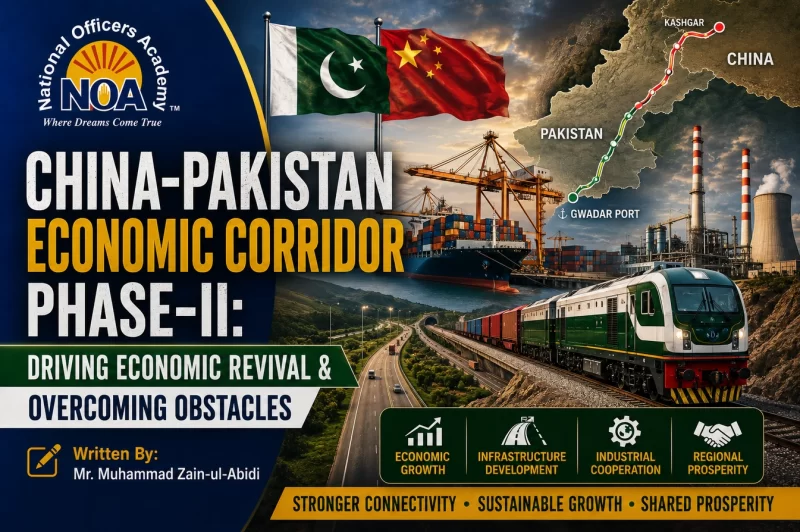
Ten years of the China-Pakistan Economic Corridor have transformed Pakistan-China economic cooperation through major investments in energy, infrastructure and connectivity. This article examines CPEC’s achievements, Phase II prospects, socio-economic potential and the challenges that will shape its future.Read More
Explore Pakistan’s $3 billion IMF bailout package, the economic crisis behind it, major IMF conditions, taxation and energy reforms, political implications, and the way forward for sustainable economic recovery.Read More
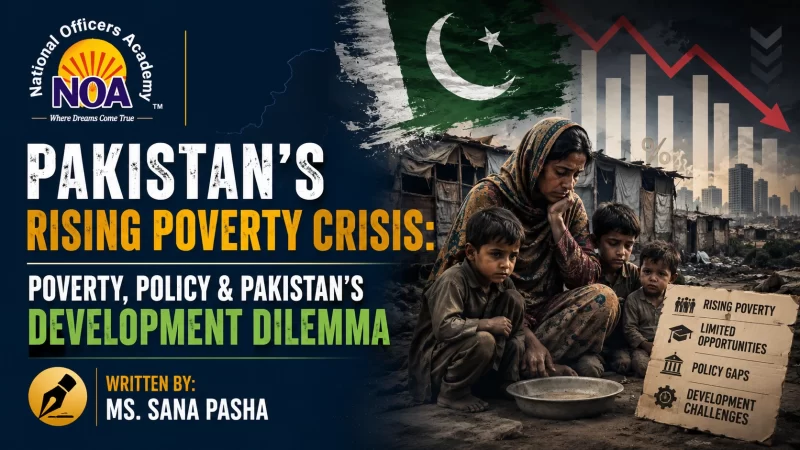
Pakistan’s rising poverty reflects inflation, unemployment, declining household incomes, weak human capital and structural policy gaps. Explore its causes, consequences, government responses and the way forward for sustainable poverty reduction.Read More
Pakistan’s poverty rate is rising again amid inflation, unemployment, declining real incomes and structural weaknesses. This analysis examines the causes, consequences, government initiatives and policy solutions to Pakistan’s growing poverty and development dilemma.Read More
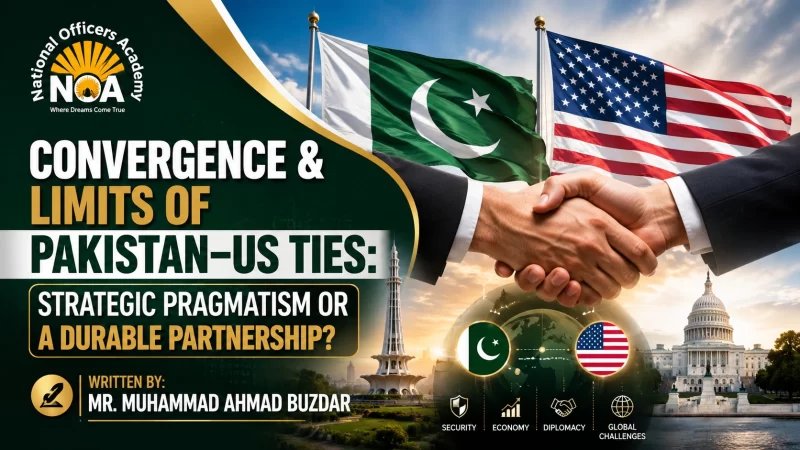
Pakistan–US relations are witnessing renewed convergence in counterterrorism, trade, critical minerals and defence cooperation. Yet structural constraints involving China, India and great-power competition raise a crucial question: is the latest rapprochement a durable partnership or another phase of strategic pragmatism?Read More
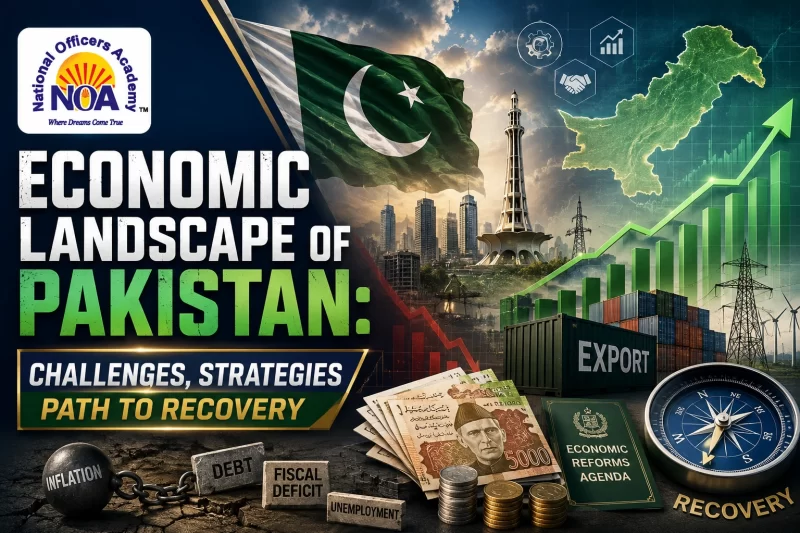
Pakistan's economy faces inflation, debt, weak investment, energy-sector losses and human-capital challenges. This article examines the country's economic landscape and explores fiscal, structural, governance and social reforms needed to achieve sustainable recovery and long-term growth.Read More
CPEC Phase-II offers Pakistan major opportunities in industrialization, agriculture, trade, renewable energy, and regional connectivity, but security, political instability, debt pressure, and regulatory hurdles remain key challenges.Read More
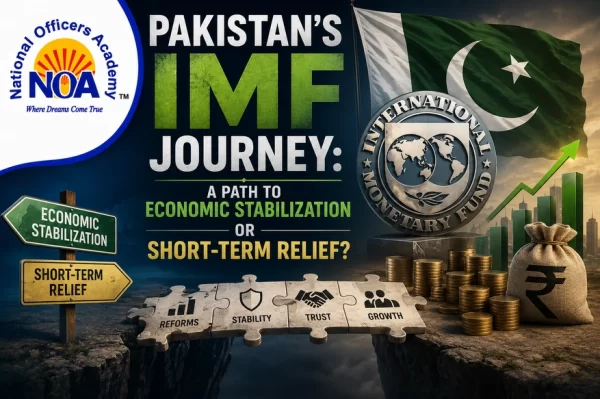
Pakistan’s long engagement with the IMF has provided repeated short-term relief during economic crises. However, fiscal weakness, inflation, energy sector inefficiencies, tax gaps, and incomplete structural reforms continue to raise questions about whether IMF programs can truly deliver long-term stability.Read More
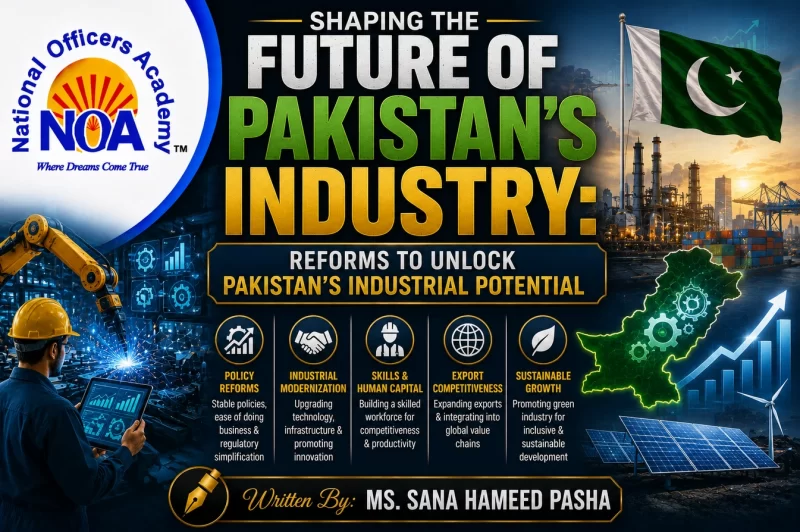
Pakistan’s industrial sector holds significant potential for economic growth, exports, and employment. However, energy shortages, policy inconsistencies, weak regulation, low innovation, poor diversification, and skill gaps continue to restrict industrial transformation and global competitiveness.Read More



Recent Comments