An American war with Iran could reshape global power politics by stretching US military resources, increasing Europe's energy vulnerability and creating strategic opportunities for China and Russia. This article examines whether the conflict could accelerate the transition from American primacy towards a multipolar world order.Read More
The US-Iran war is reshaping Gulf security, energy markets and regional geopolitics. This article examines the Strait of Hormuz crisis, pressure on GCC economies, capital flight, the revival of Iran-GCC rivalry and the emerging strategic order in the Gulf.Read More
Global military spending has surpassed $2.7 trillion amid great-power rivalry, regional wars, nuclear modernisation and technological competition. This article examines the new global arms race, its impact on international peace, and strategic pathways for restoring restraint, arms control and stability.Read More
China is expanding its global influence through the yuan, BRI, CIPS, military modernisation, technology and new international institutions. This article examines whether Beijing's growing economic, diplomatic and strategic power is laying the foundations of a parallel world order.Read More
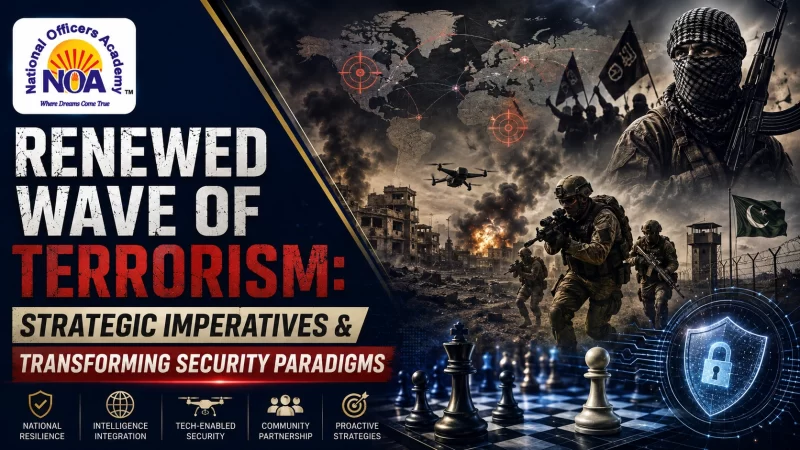
Pakistan's renewed wave of terrorism threatens national security, CPEC, foreign investment and regional stability. This article examines the TTP challenge, Afghanistan factor, CPEC security and the strategic reforms needed to transform Pakistan's counterterrorism and security paradigm.Read More
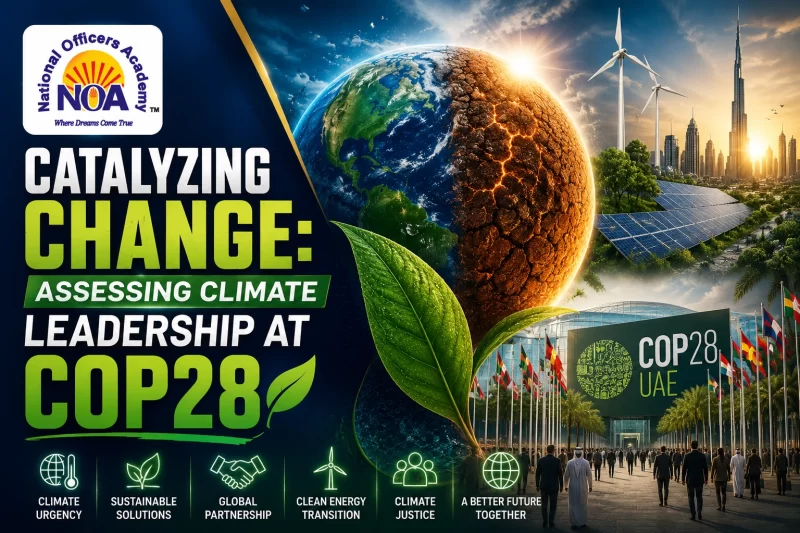
COP28 marked a historic shift in global climate diplomacy, from transitioning away from fossil fuels to operationalising the Loss and Damage Fund. This article assesses its achievements, shortcomings, climate justice implications and lessons for building Pakistan's climate resilience.Read More
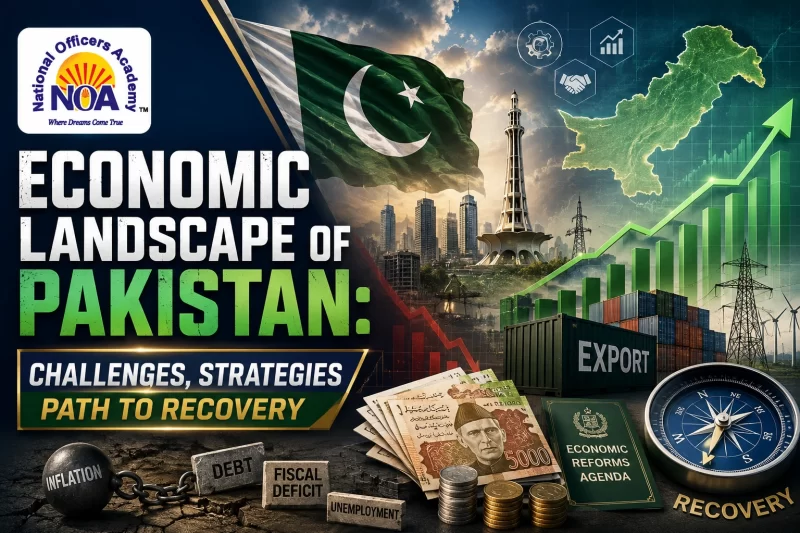
Pakistan's economy faces inflation, debt, weak investment, energy-sector losses and human-capital challenges. This article examines the country's economic landscape and explores fiscal, structural, governance and social reforms needed to achieve sustainable recovery and long-term growth.Read More
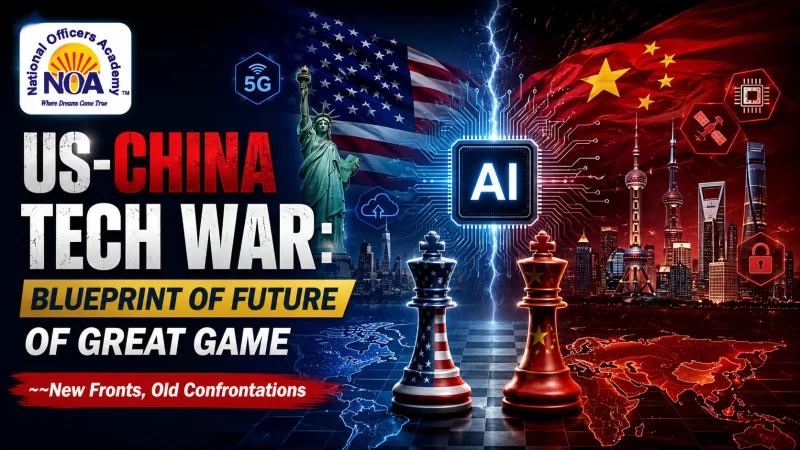
The US-China tech war is reshaping global geopolitics through competition over semiconductors, AI, Taiwan, 5G and military technology. This article examines the emerging technological great game, its global consequences and Pakistan's strategic dilemma between Washington and Beijing.Read More
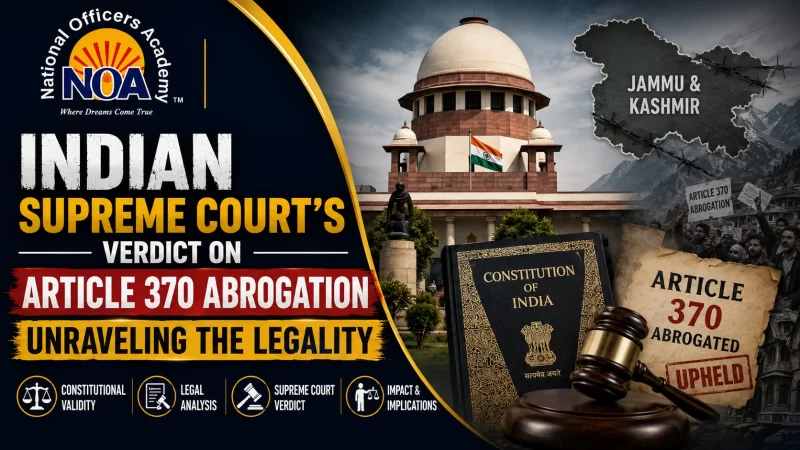
An analysis of the Indian Supreme Court's verdict on the abrogation of Article 370, examining its constitutional implications, international legal dimensions, UN resolutions, human rights concerns and Pakistan's legal and diplomatic options.Read More
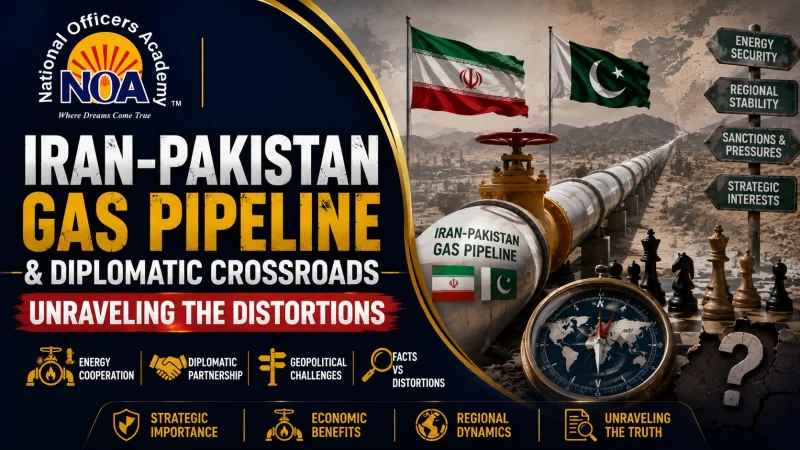
The Iran-Pakistan Gas Pipeline remains one of South Asia's most strategically significant energy projects. This article explores its evolution, diplomatic challenges, geopolitical implications, economic benefits and Pakistan's balancing act between regional energy security and international sanctions.Read More



Recent Comments