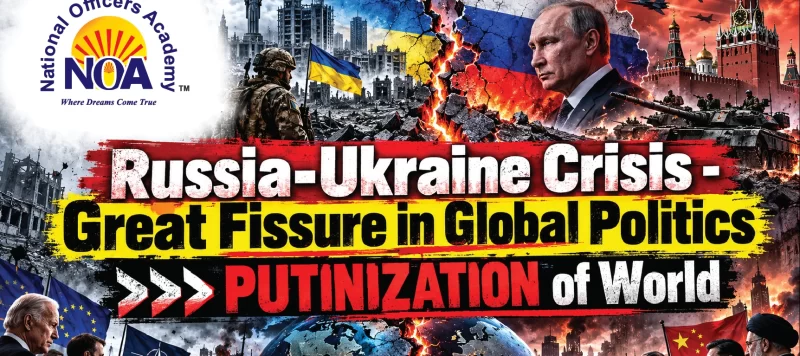
The Russia-Ukraine war has become a major geopolitical rupture, reshaping NATO-Russia relations, accelerating great-power competition, disrupting energy and food markets, and intensifying inflation worldwide. This article examines the historical context of the conflict, its strategic and economic consequences, and its implications for Pakistan’s foreign, energy...Read More
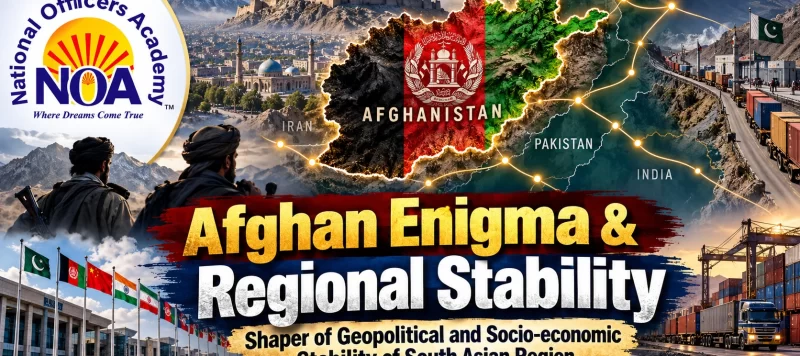
Afghanistan’s political future has direct implications for the security, connectivity and economic stability of South Asia. This article examines the Taliban’s return to power, Afghanistan’s humanitarian and security crises, regional connectivity, terrorism, narcotics, bilateral relations and Pakistan’s role in promoting stability.Read More
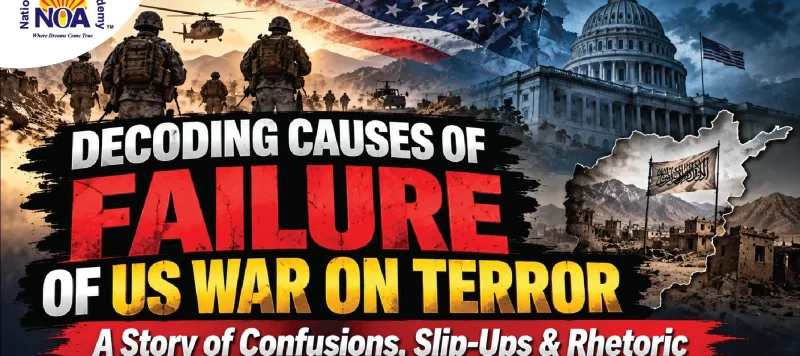
The US-led War on Terror began after the September 11 attacks with the objectives of defeating transnational terrorist organisations, denying them safe havens and protecting the United States. This article examines why the campaign in Afghanistan ultimately failed, focusing on strategic confusion, overreliance on military...Read More
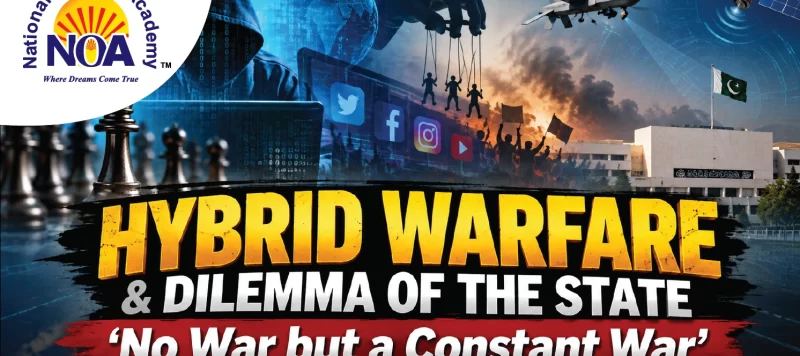
Hybrid warfare combines military and non-military tools such as cyber attacks, propaganda, proxies, economic pressure, terrorism, information operations and diplomatic coercion. This article examines its relevance to Pakistan, the vulnerabilities it exploits, its political, economic and social implications, and Pakistan’s response to this evolving security...Read More
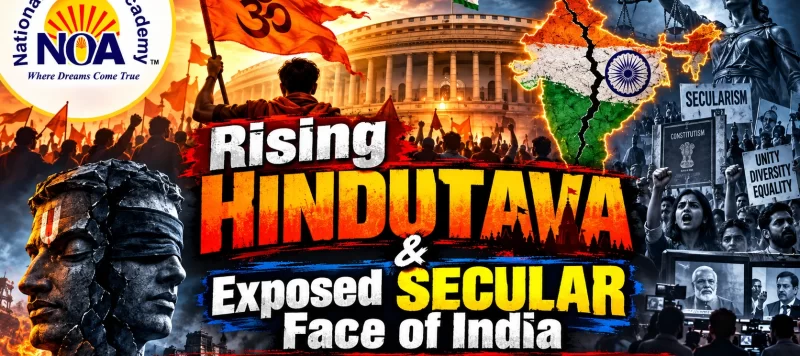
The article critically examines the rise of Hindutva politics in India and its implications for secularism and minority rights. It discusses the BJP-RSS ideological relationship, communal violence, cow-protection laws, the Citizenship Amendment Act, hijab restrictions, Kashmir, and contrasts these developments with constitutional protections and selected...Read More