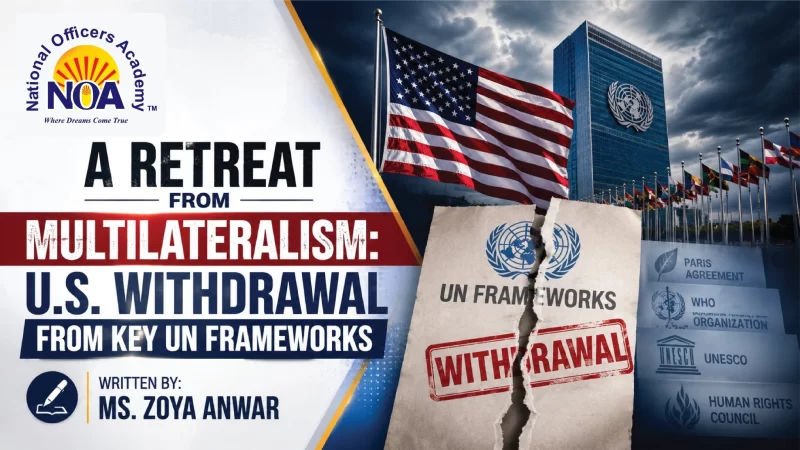
The United States’ withdrawal from the Paris Agreement, WHO and UNFPA reflects a broader shift from multilateral cooperation toward an America First, state-centric foreign policy. This article examines its implications for climate governance, global health, international institutions and the future of the liberal international order.Read More
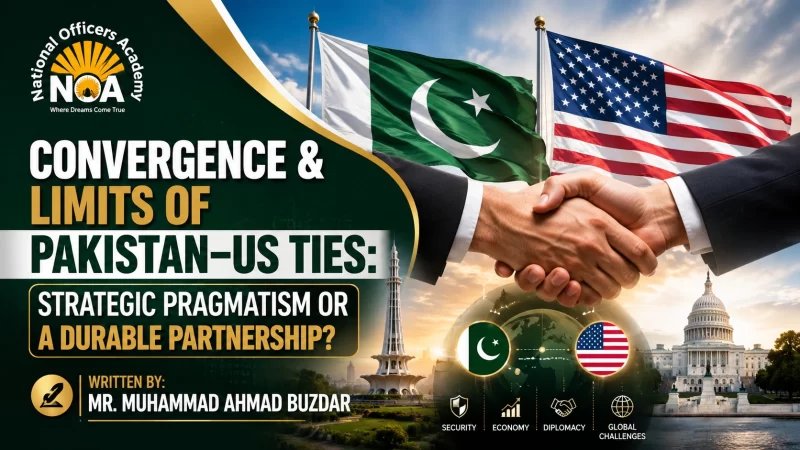
Pakistan–US relations are witnessing renewed convergence in counterterrorism, trade, critical minerals and defence cooperation. Yet structural constraints involving China, India and great-power competition raise a crucial question: is the latest rapprochement a durable partnership or another phase of strategic pragmatism?Read More
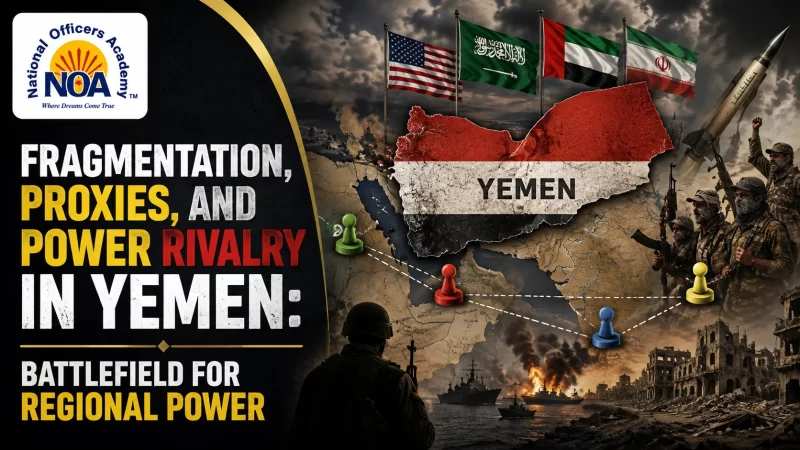
Yemen has become a battlefield for regional power, shaped by state fragmentation, Houthi influence, proxy warfare and competing Saudi and Emirati ambitions. The article examines the historical conflict, Saudi-UAE rivalry, the Southern Transitional Council and Yemen’s strategic geography.Read More
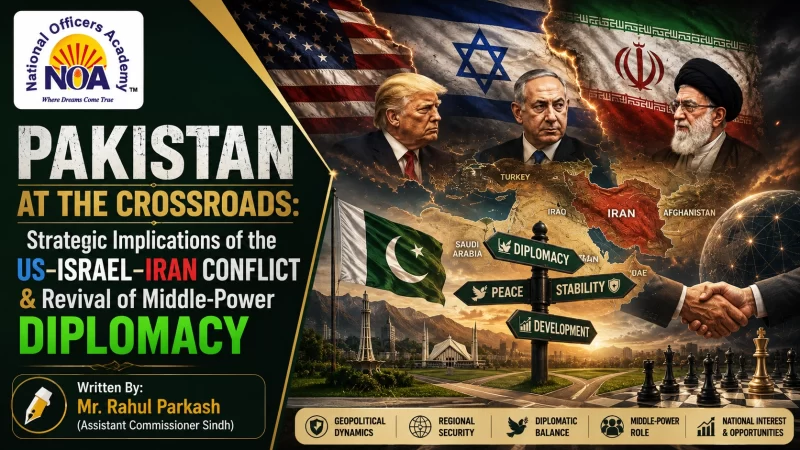
The US–Israel–Iran conflict presents Pakistan with serious security, economic and diplomatic challenges while creating an opportunity to revive its role as a middle-power mediator. The article examines Pakistan’s strategic choices, regional vulnerabilities and potential role in promoting dialogue and stability.Read More
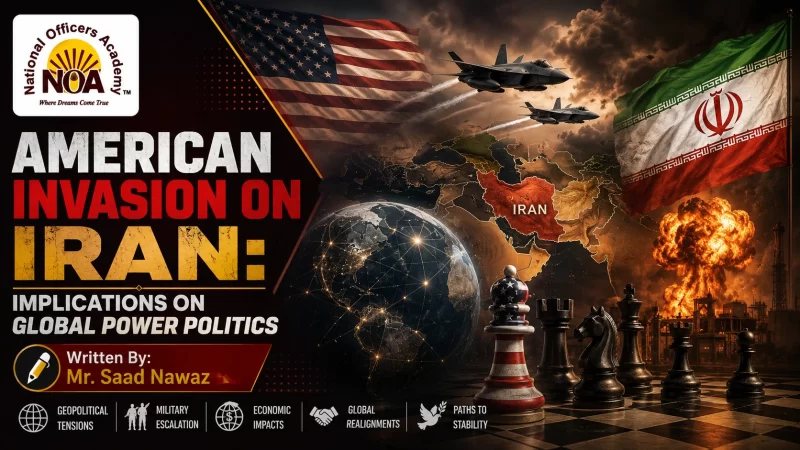
An American war with Iran could reshape global power politics by stretching US military resources, increasing Europe's energy vulnerability and creating strategic opportunities for China and Russia. This article examines whether the conflict could accelerate the transition from American primacy towards a multipolar world order.Read More